

1) What I Learned Testing Ranch Chicken Thighs Bake
Creamy chicken can go wrong fast: pale skin, watery sauce, and seasoning that never reaches the meat. I’m Elena, and my first ranch chicken thighs bake tasted good but looked tired, with sauce slipping into the pan instead of clinging to the chicken. After testing drier skin, a thicker creamy coating, and a hotter oven, I discovered the small step that changed everything: pat the thighs really dry before tossing them hard in the sauce. Now this ranch chicken bake feels like the calm dinner I want after a long day, with juicy meat, savory edges, and a cozy family-table smell.
Table of Contents
- 1) What I Learned Testing Ranch Chicken Thighs Bake
- 2) Key Takeaways
- 3) Easy Ranch Chicken Thighs Bake Recipe
- 4) Why Most Ranch Chicken Thighs Bake Recipes Fail
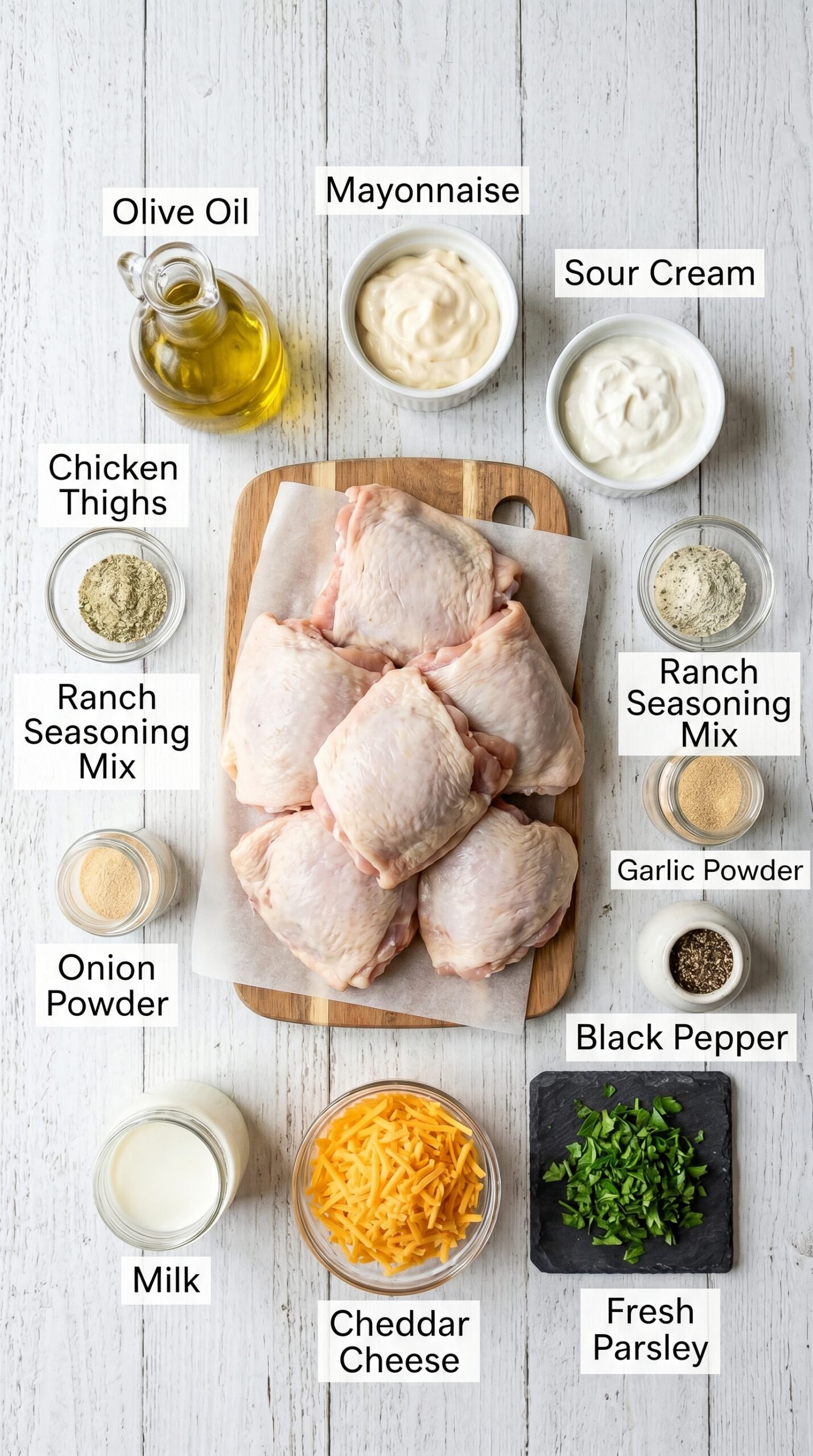
- 5) Ingredients for Ranch Chicken Thighs Bake
- 6) How to Make Ranch Chicken Thighs Bake
- 7) Recipe Card: Ranch Chicken Thighs Bake
- 8) Tips for Making Ranch Chicken Thighs Bake
- 9) Common Mistakes & Fixes
- 10) How to Tell Ranch Chicken Thighs Bake Is Done
- 11) Professional Secrets Behind Better Ranch Chicken Thighs Bake
- 12) Best Dishes or Pairings to Serve With Ranch Chicken Thighs Bake
- 13) Making Ranch Chicken Thighs Bake Ahead of Time
- 14) Storing Leftover Ranch Chicken Thighs Bake
- 15) FAQ (Real Cooking Questions)
- 16) Save This Ranch Chicken Thighs Bake Recipe
- 17) Conclusion
- 18) Nutrition
2) Key Takeaways
- Dry chicken skin is the difference between creamy ranch chicken thighs that coat evenly and sauce that slides into the baking dish.
- A 400°F oven gives the thighs enough heat to cook through while helping the creamy ranch coating bubble, brown, and cling.
- Bone-in, skin-on chicken thighs are forgiving, but they still need a thermometer check at the thickest part to avoid undercooking or drying out.
- Resting the chicken for 5 minutes keeps the juices inside the meat instead of running into the pan the moment you cut in.
3) Easy Ranch Chicken Thighs Bake Recipe
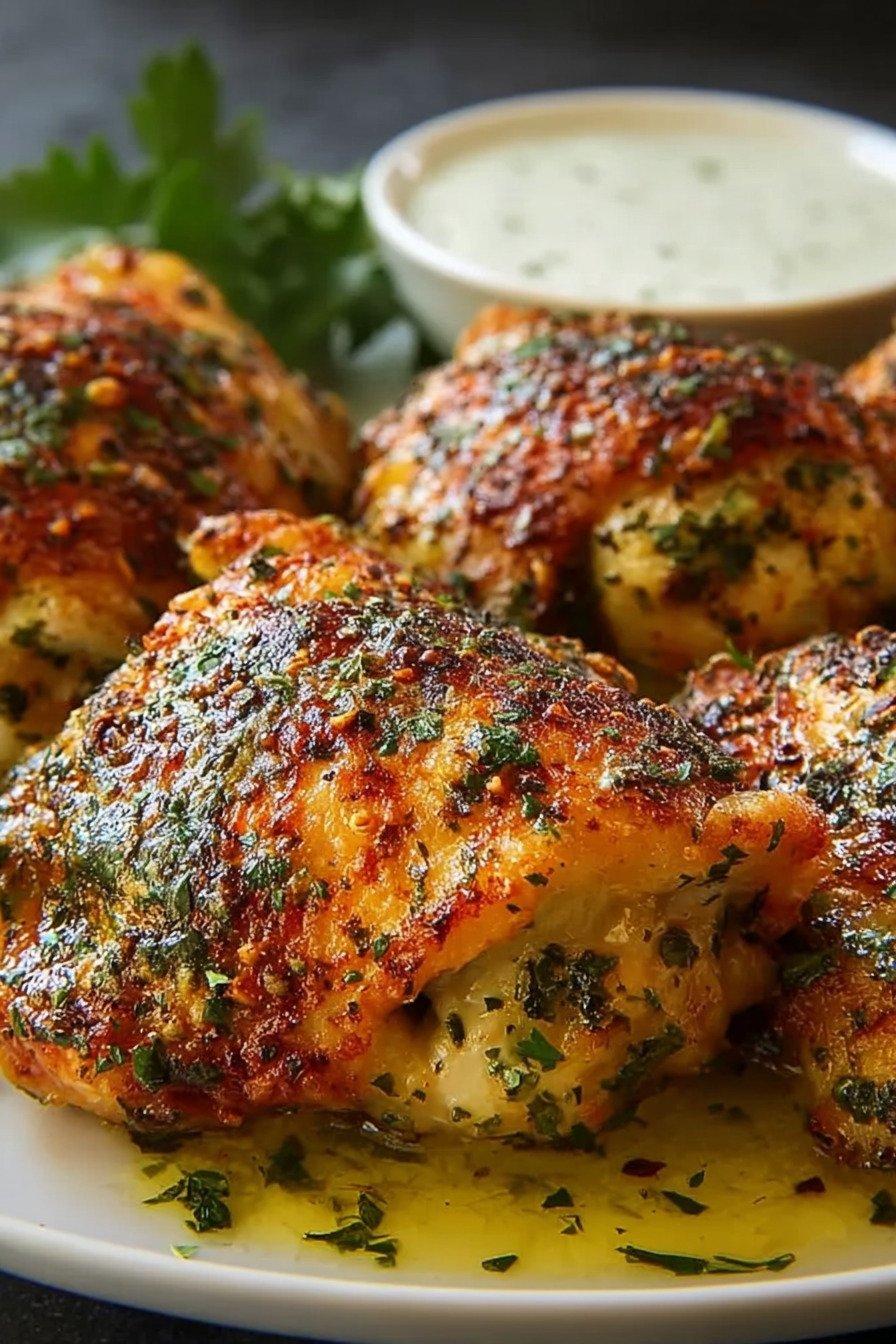
This ranch chicken thighs bake is built around a simple idea: coat sturdy, bone-in chicken thighs in a creamy ranch mixture, bake them hot, and let the sauce turn savory and lightly golden. The method works because chicken thighs have enough fat and connective tissue to stay juicy while the ranch sauce thickens around them. The mayonnaise brings richness, sour cream adds tang, ranch seasoning adds herbs and salt, and a small splash of milk loosens everything just enough to spread.
The goal is not a thin pour-over sauce. You want a coating that holds to the chicken like a savory jacket. When the chicken bakes, the edges of the sauce bubble, the top takes on color, and the meat underneath stays tender. This is why baked ranch chicken thighs are such a practical dinner: the work happens before the pan goes into the oven, and the oven handles the rest.
4) Why Most Ranch Chicken Thighs Bake Recipes Fail
Most ranch chicken thighs bake recipes fail because the chicken goes into the sauce wet. Chicken skin holds surface moisture from packaging, and that moisture acts like a barrier between the meat and the creamy coating. Instead of grabbing onto the skin, the ranch mixture slips down into the pan. The fix is simple but important: pat the thighs thoroughly dry before adding olive oil and sauce.
Another common failure is crowding the baking dish. When chicken thighs touch each other too closely, they steam instead of roast. Steam softens the skin and thins the sauce, especially in chicken and ranch recipes that rely on creamy ingredients. Leave a little space between each piece so hot air can move around the chicken.
The third problem is sauce that is either too loose or too thick. Too much milk makes the coating runny, while a sauce that is not whisked well can leave salty ranch pockets in one bite and bland chicken in the next. A smooth, spoonable sauce gives the most even flavor.
The fourth issue is guessing doneness. Chicken thighs can look browned before they are fully cooked near the bone. Use a meat thermometer and check the thickest part without touching bone. The safe target is 165°F, and that one check protects both texture and safety.
5) Ingredients for Ranch Chicken Thighs Bake
Bone-in, skin-on chicken thighs: These are the right cut for ranch chicken thighs because they stay juicy during baking and have enough surface area for the creamy coating. Use them when you want rich flavor and better moisture retention. Boneless thighs cook faster, but they will not give the same roasted skin or pan-sauce depth.
Olive oil: A small amount helps the creamy ranch sauce glide over the chicken and encourages better browning. Add it after drying the chicken. If skipped, the sauce can still work, but the surface may look duller and the coating may not spread as evenly.
Mayonnaise: Mayonnaise gives the sauce body, richness, and a glossy finish. Full-fat mayonnaise works best because it holds up better in the oven. Low-fat versions can become watery, especially during a longer bake.
Sour cream: Sour cream balances the richness with tang. It also helps create the creamy ranch chicken thighs texture people expect from this kind of bake. Full-fat sour cream is steadier under heat; lighter versions may separate more easily.
Ranch seasoning mix: This is the main flavor driver. It brings herbs, salt, onion, garlic, and buttermilk-style tang in one ingredient. Use the dry mix directly in the sauce so the flavor spreads across every thigh.
Garlic powder: Garlic powder deepens the savory flavor without adding extra water. It works especially well in ranch seasoning recipes chicken cooks use because it blends smoothly into creamy sauces.
Onion powder: Onion powder supports the ranch flavor and makes the sauce taste rounder. If left out, the sauce still bakes properly, but the flavor can feel flatter.
Black pepper: Freshly ground black pepper adds a mild bite that cuts through the creamy sauce. Add it to the sauce before coating so the seasoning is evenly distributed.
Milk or buttermilk: Milk loosens the sauce so it coats instead of clumps. Buttermilk adds extra tang and fits naturally with ranch flavor. Add only the amount needed; the sauce should be creamy, not pourable like dressing.
Cheddar cheese: Cheddar is optional, but it adds a melted, savory top. Add it during the last 10 minutes so it melts without burning or drying out.
Fresh parsley: Parsley adds a fresh finish and a little color after baking. Add it at the end, not before the oven, so it stays bright.
- Bone-in thighs vs boneless thighs: Bone-in thighs take longer but stay juicier and give the sauce more time to brown around the edges.
- Full-fat dairy vs low-fat dairy: Full-fat mayonnaise and sour cream hold a thicker texture, while low-fat versions can release water during baking.
- Milk vs buttermilk: Milk keeps the sauce mellow; buttermilk adds more tang and makes the ranch flavor sharper.
- Cheddar added early vs late: Cheese added too early can overbrown, but cheese added near the end melts into the coating cleanly.
6) How to Make Ranch Chicken Thighs Bake
Step 1: Whisk the mayonnaise, sour cream, ranch seasoning, garlic powder, onion powder, black pepper, and milk in a large bowl until smooth. The sauce should look creamy and thick enough to coat a spoon. If you see dry ranch specks clumping together, keep whisking so the seasoning does not hit the chicken unevenly.
Step 2: Pat the chicken thighs dry with paper towels. This is not a cosmetic step; it helps the sauce grip the chicken and supports better browning. Drizzle the thighs with olive oil, then place them in the bowl with the ranch sauce.
Step 3: Toss the chicken firmly until every thigh is coated on the top, bottom, sides, and around the skin folds. If the coating looks patchy, use a spoon or clean hand to spread the sauce into the uneven spots.
Step 4: Preheat the oven to 400°F and lightly grease a 9×13 inch baking dish. Arrange the chicken in one layer with a little space between each piece, then spoon any remaining sauce over the top. Bake until the sauce bubbles and the chicken begins to brown.
Step 5: Add cheddar during the last 10 minutes if using it. Continue baking until the thickest part of the chicken reaches 165°F. For a little more color, broil briefly at the end, watching closely because creamy sauce can go from browned to scorched quickly. Rest for 5 minutes, then garnish with parsley.

7) Recipe Card: Ranch Chicken Thighs Bake
Ranch Chicken Thighs Bake for Juicy Oven-Baked Chicken
Ingredients
For the Chicken
- 4 large Chicken Thighs, bone-in, skin-on, about 2 to 2.5 lbs total, patted very dry so the coating clings and the skin browns better
- 1 tbsp Olive Oil, used to help the sauce spread and encourage better browning in the oven
For the Creamy Ranch Sauce
- 1/2 cup Mayonnaise, full-fat recommended for the richest flavor and a thicker coating
- 1/4 cup Sour Cream, full-fat recommended to add tang and keep the sauce creamy as it bakes
- 2 tbsp Ranch Seasoning Mix, dry mix, such as Hidden Valley, for the main herb and savory seasoning base
- 1/2 tsp Garlic Powder, for rounded savory depth without adding moisture
- 1/4 tsp Onion Powder, to reinforce the ranch flavor and balance the creamy sauce
- 1/4 tsp Black Pepper, freshly ground, for a mild peppery finish
- 2 tbsp Milk, or buttermilk for extra tang, to loosen the sauce just enough for even coating
Optional Topping & Garnish
- 1/4 cup Cheddar Cheese, shredded, added near the end so it melts without overbrowning
- 1 tbsp Fresh Parsley, chopped, for garnish and a fresh finish
Instructions
Prepare the Ranch Sauce
- In a large mixing bowl, whisk together the mayonnaise, sour cream, dry ranch seasoning mix, garlic powder, onion powder, black pepper, and milk until the sauce is smooth, creamy, and evenly seasoned with no dry pockets of ranch mix.
Coat the Chicken
- Pat the chicken thighs very dry with paper towels, especially over the skin, because excess moisture can make the coating slide off and soften the skin. Drizzle the chicken thighs with olive oil, then add them to the bowl with the prepared ranch sauce. Toss firmly until each thigh is completely coated, including the sides and edges.
Bake the Chicken
- Preheat the oven to 400°F (200°C). Lightly grease a 9×13 inch baking dish or a similar-size baking dish. Arrange the coated chicken thighs in a single layer with a little space between each piece so heat can circulate, then spoon or pour any remaining sauce evenly over the chicken.
- Bake for 30 to 35 minutes, until the sauce is bubbling around the edges and the chicken is cooking through.
- If using shredded cheddar cheese, sprinkle it evenly over the chicken thighs during the last 10 minutes of baking so it melts into the creamy ranch coating without drying out.
- Continue baking until the thickest part of each chicken thigh reaches 165°F (74°C) on a meat thermometer and the juices run clear. For extra crispy skin, broil for 2 to 3 minutes at the very end, watching closely because the creamy sauce and cheese can brown quickly.
Rest and Serve
- Remove the baking dish from the oven and let the chicken rest for 5 minutes before serving. This short rest helps the juices settle back into the meat so the thighs stay moist. Garnish with fresh chopped parsley if desired.
8) Tips for Making Ranch Chicken Thighs Bake
Start with dry chicken, not just lightly blotted chicken. Press the paper towel against the skin and sides until the surface no longer feels slick. That one detail makes easy ranch chicken thighs look and taste more intentional because the coating stays where you put it.
Keep the sauce thick. If it looks like salad dressing, it is too loose for this bake. A thick sauce protects the meat, carries the ranch seasoning, and forms savory browned edges in the dish. If you use buttermilk instead of milk, the flavor will be tangier, so avoid adding extra acidic ingredients.
Use the right pan size. A 9×13 inch dish gives the chicken enough room without letting the sauce spread too thin. A very small dish traps steam; a very large dish can make the sauce dry out around the edges before the chicken finishes cooking.
Check temperature in the thickest part of the thigh. Aim the thermometer into the meat but away from the bone. Bone conducts heat differently and can give a misleading reading. Once the chicken reaches 165°F, let it rest so the juices settle and the sauce firms slightly on top.
9) Common Mistakes & Fixes
Problem: The sauce slides off the chicken. Cause: The skin was too wet or the sauce was too thin. Fix: Pat the thighs dry thoroughly and whisk the sauce until creamy, adding only enough milk to make it spreadable.
Problem: The chicken skin turns soft instead of browned. Cause: The pan was crowded, or the chicken released too much steam. Fix: Space the thighs apart and use a dish that allows the sauce to bubble without trapping moisture between pieces.
Problem: The ranch flavor tastes too salty in some bites. Cause: The dry ranch seasoning was not fully whisked into the sauce. Fix: Whisk longer before adding the chicken and scrape the bottom of the bowl where seasoning can settle.
Problem: The top browns too fast under the broiler. Cause: Mayonnaise, sour cream, and cheddar brown quickly under direct heat. Fix: Broil for only 2 to 3 minutes and stay near the oven the whole time.
Problem: The meat seems dry after baking. Cause: The chicken baked past the safe temperature or was cut immediately after leaving the oven. Fix: Use a thermometer and rest the chicken for 5 minutes before serving.
10) How to Tell Ranch Chicken Thighs Bake Is Done
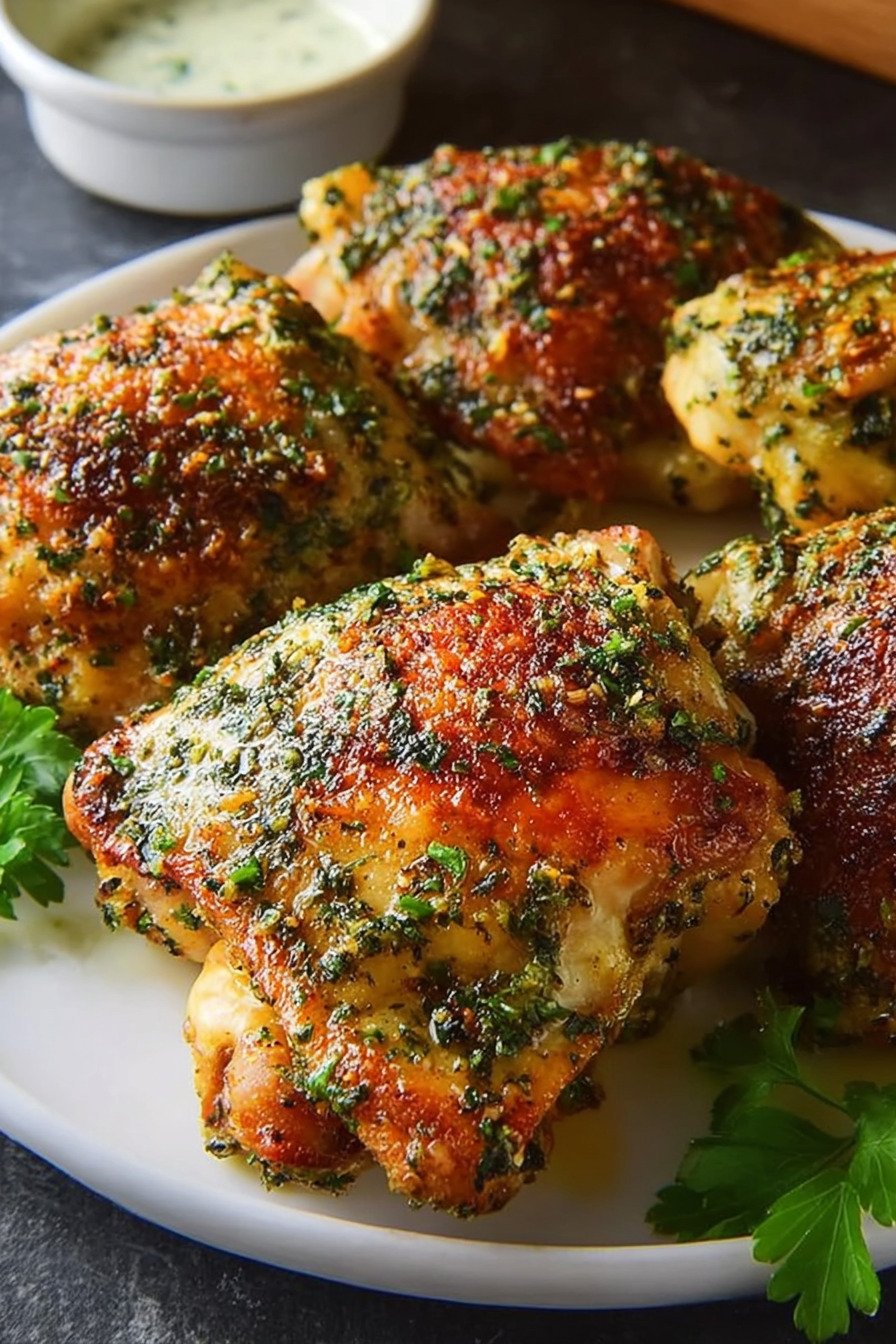
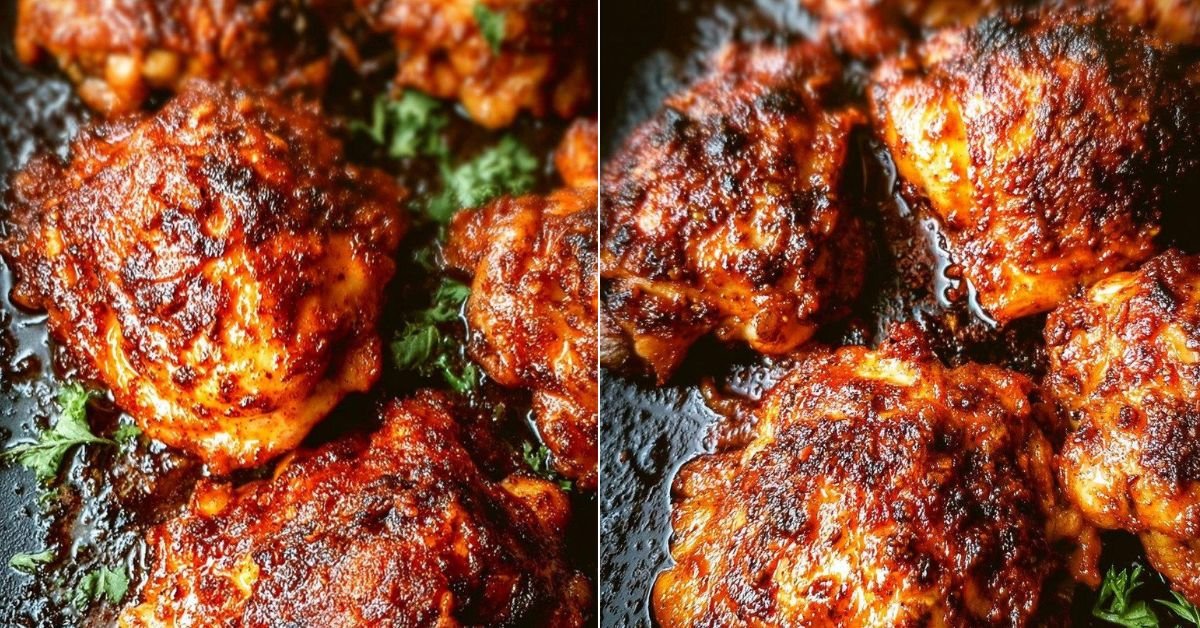
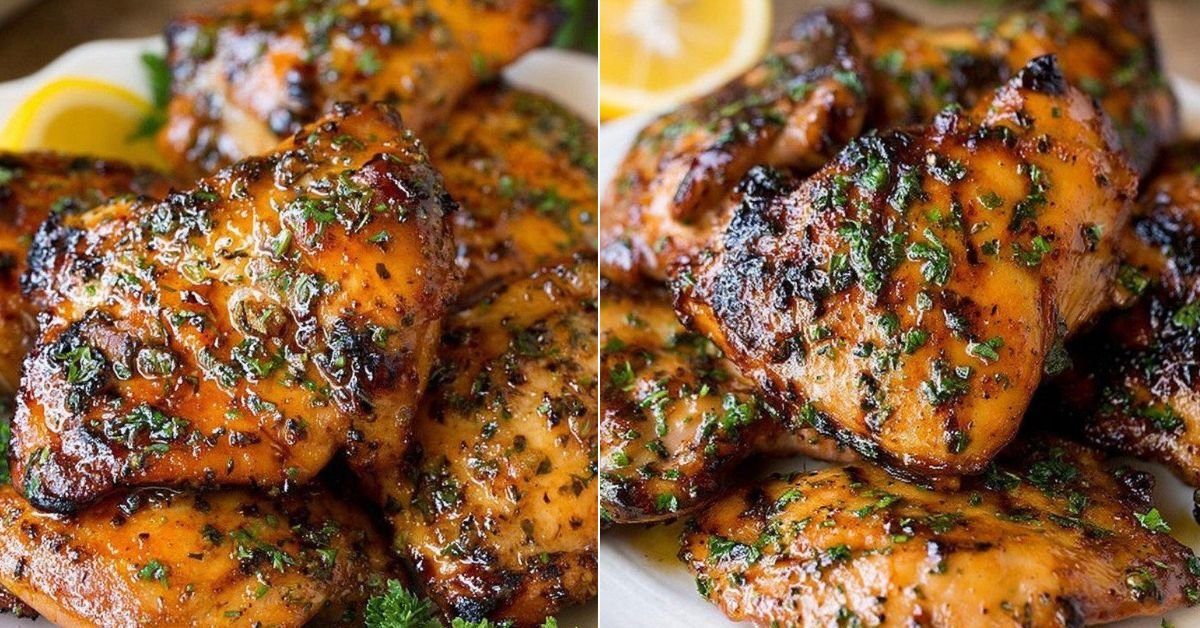
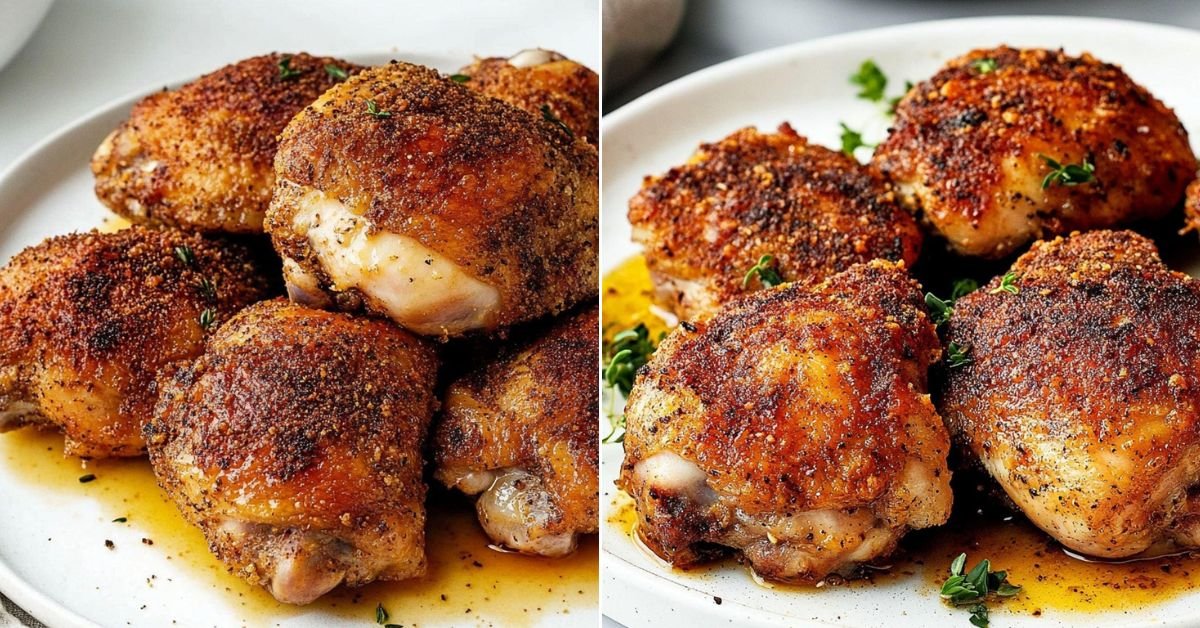
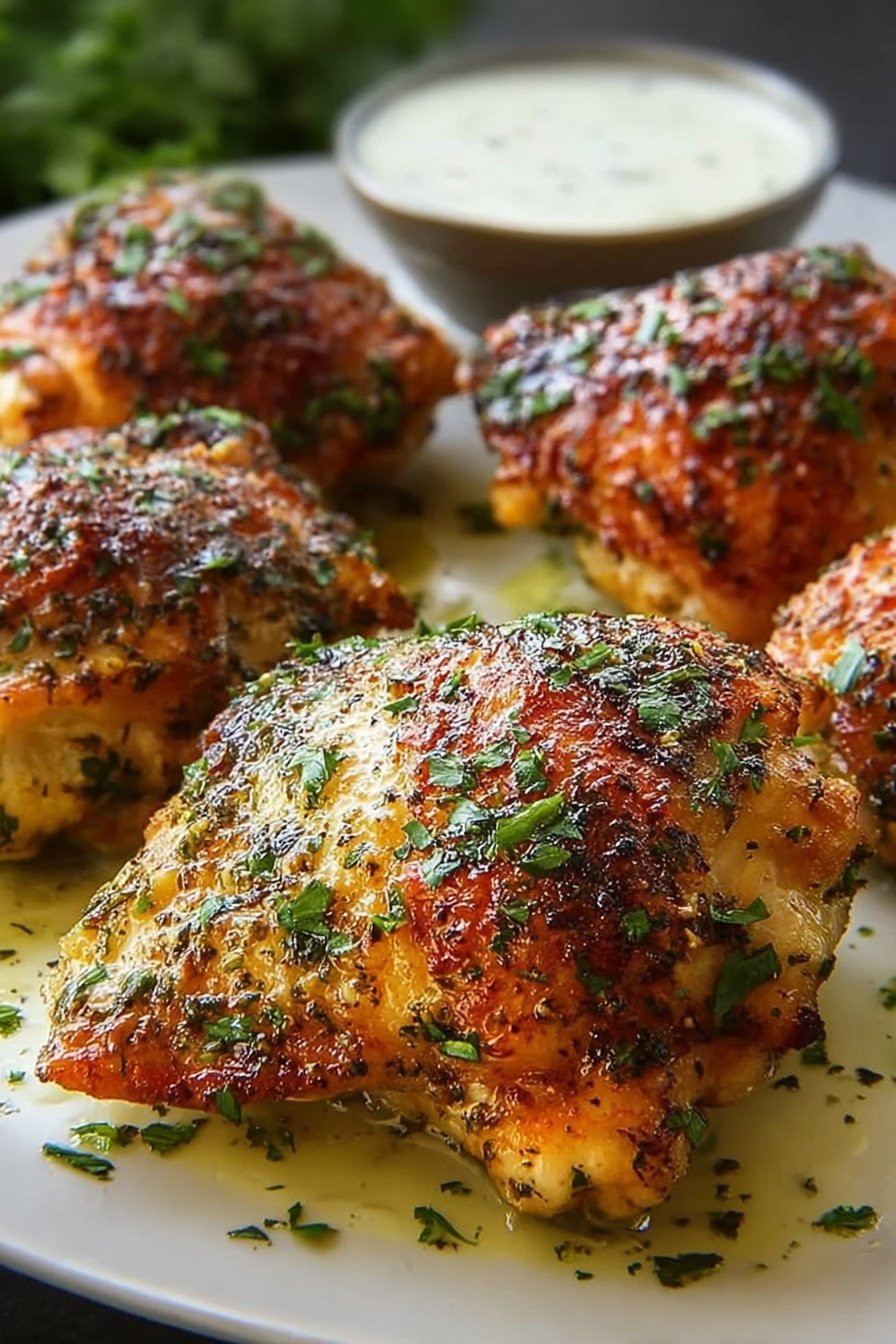
Ranch chicken thighs are done when the thickest part reaches 165°F, the juices run clear, and the sauce is bubbling around the chicken. Visually, the coating should look set rather than wet, with lightly browned edges and small pockets of golden color where the sauce touches the pan.
The texture should be juicy inside, not rubbery or stringy. The skin may not become as shatter-crisp as plain roasted chicken because it is covered in a creamy sauce, but it should not look pale, loose, or steamed. If you lift one thigh gently, the coating should mostly stay attached.
The aroma should be savory, creamy, and herb-forward, with garlic and onion notes from the ranch seasoning. If the top smells sharp or scorched, the broiler went too far. If the sauce looks watery and thin, the chicken may have been too wet or too crowded in the baking dish.
11) Professional Secrets Behind Better Ranch Chicken Thighs Bake
The first professional-style secret is building a coating, not just a sauce. A coating has enough body to cling to the chicken, protect the surface, and carry seasoning evenly. That is why the mayonnaise and sour cream matter here. They do more than add richness; they help the ranch seasoning stay close to the meat.
The second secret is heat management. A 400°F oven is hot enough to brown the sauce around the edges but not so aggressive that the dairy-based coating scorches before the chicken cooks through. The optional broiler finish should be treated like a final polish, not a main cooking step.
The third secret is resting. Chicken thighs are forgiving, but they still benefit from a short pause after baking. Resting lets the juices redistribute and gives the creamy ranch coating a moment to settle, which makes the final serving look cleaner and taste more balanced.
12) Best Dishes or Pairings to Serve With Ranch Chicken Thighs Bake
Ranch chicken thighs pair well with sides that can catch the creamy pan sauce. Mashed potatoes are a natural match because they soften the saltiness of the ranch seasoning and make the meal feel cozy. Rice also works well, especially if you spoon a little sauce over the top.
For something lighter, serve the chicken with roasted broccoli, green beans, asparagus, or a crisp romaine salad. The fresh crunch balances the creamy coating. If you want a more comfort-style plate, add buttered noodles, roasted carrots, or baked potatoes.
Because this dish has a rich ranch profile, avoid sides that are also very creamy unless you want a heavier dinner. A bright vegetable, a simple salad, or lemony greens can make the chicken taste even better by giving your palate a clean contrast.

13) Making Ranch Chicken Thighs Bake Ahead of Time
You can whisk the ranch sauce ahead and keep it covered in the refrigerator for up to 24 hours. You can also coat the chicken a few hours before baking, which gives the seasoning time to sit on the surface. Keep it chilled, covered, and in a food-safe container.
Before baking, let the dish sit at room temperature only while the oven preheats. Do not leave raw chicken out for an extended time. If the coating looks thick after chilling, spread it back over the thighs before baking. Add the cheddar only near the end, just as you would when cooking immediately.
This ranch chicken bake is best baked fresh, but the prep-ahead option makes it easier for weeknight dinners. The main texture protection is keeping the sauce thick and the chicken cold until it is time to cook.
14) Storing Leftover Ranch Chicken Thighs Bake
Store leftover ranch chicken thighs in an airtight container in the refrigerator for up to 3 days. Spoon some of the pan sauce over the chicken before storing so the meat stays moist. If the sauce firms up in the refrigerator, that is normal because of the dairy and chicken fat.
Reheat gently in a 325°F oven until warmed through. Cover loosely with foil if the top is already browned enough, then uncover for the last few minutes if you want the surface to dry slightly. The microwave works for speed, but it can soften the skin and make the sauce separate.
Leftover meat can be pulled from the bone and used in wraps, rice bowls, baked potatoes, or chopped salads. If the sauce tastes stronger the next day, pair the chicken with a plain side like rice or potatoes to balance it.
15) FAQ (Real Cooking Questions)
Can I use boneless chicken thighs? Yes, but reduce the baking time and check the temperature early. Boneless thighs cook faster and may not have the same roasted skin texture, but they can still work with the creamy ranch coating.
Can I use chicken breasts instead? You can, but chicken breasts are leaner and dry out more easily. If using them, choose thicker pieces, coat them well, and rely on a thermometer instead of the full thigh timing.
Why did my sauce turn watery? The most common reasons are wet chicken, low-fat dairy, or an overcrowded dish. Dry the thighs well, use full-fat mayonnaise and sour cream when possible, and leave space between the chicken pieces.
Do I have to use cheddar cheese? No. Cheddar is optional. It adds a savory melted top, but the ranch chicken thighs still bake well without it. If using cheese, add it only during the last 10 minutes.
Can I make the sauce tangier? Yes. Use buttermilk instead of milk. It gives the sauce a sharper ranch flavor without changing the core method. Start with the same amount so the coating does not become too thin.
16) Save This Ranch Chicken Thighs Bake Recipe
If this Ranch Chicken Thighs Bake helped you solve the problem of watery sauce or bland chicken, save it for a cozy dinner night. The key reminder is: dry the chicken well, keep the ranch coating thick, and bake until the meat is juicy and the sauce is bubbling.

17) Conclusion
Ranch chicken thighs become much more reliable when you understand what the recipe needs: dry skin, a thick creamy coating, enough oven heat, and a short rest after baking. Those details turn a basic ranch chicken bake into a dish with real texture and flavor instead of a pan of pale chicken sitting in thin sauce.
Once you know the signs, the recipe feels easy to control. The sauce should cling before baking, bubble during baking, and settle after resting. The chicken should reach 165°F, stay juicy near the bone, and carry that savory ranch flavor through every bite. That is the difference between hoping dinner works and knowing why it will.
18) Nutrition
Serving Size 1 portion Calories 485 Sugar 1 g Sodium 820 mg Fat 39 g Saturated Fat 10 g Carbohydrates 3 g Fiber 0 g Protein 31 g Cholesterol 175 mg






Leave a Comment