
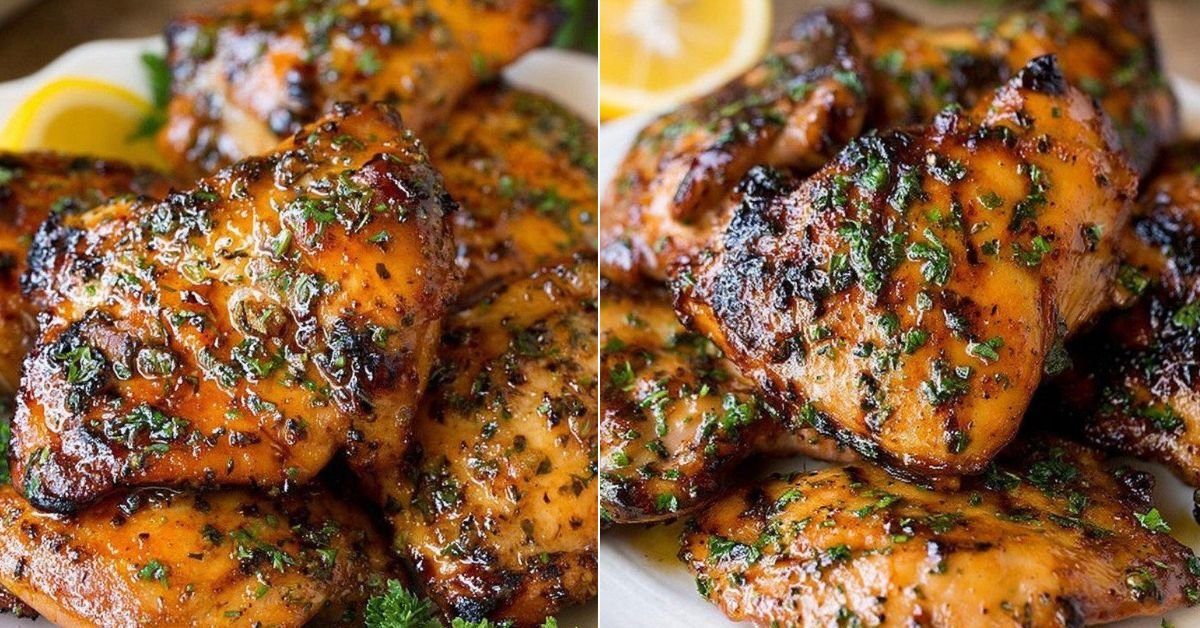
1) What I Learned Testing This Chicken Thigh Marinade
Dry chicken thighs usually start with a marinade that tastes bold in the bowl but fades once the meat hits the heat. I’m Elena, and after one too many flat, salty-on-the-surface dinners, I tested the balance of oil, soy sauce, brown sugar, lemon zest, garlic, and herbs until the chicken browned better and stayed juicy. The discovery was that a good chicken thigh marinade needs enough salt to season, enough fat to carry flavor, and enough sweetness to help browning without burning. It brought calm back to my family dinner routine because the results finally felt dependable.
Table of Contents
- 1) What I Learned Testing This Chicken Thigh Marinade
- 2) Key Takeaways
- 3) Easy Chicken Thigh Marinade Recipe
- 4) Why Most Chicken Thigh Marinade Recipes Fail
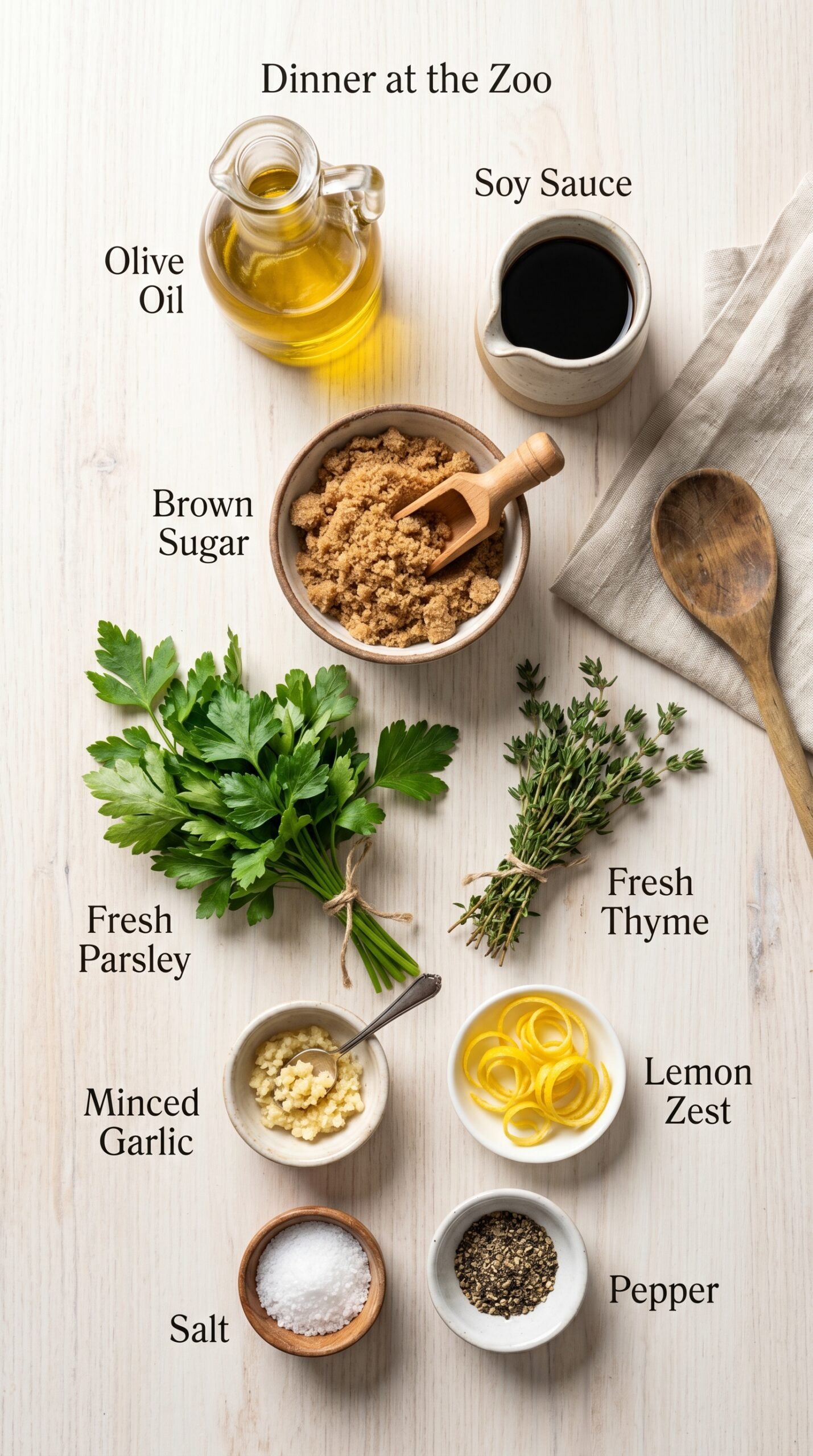
- 5) Ingredients for Chicken Thigh Marinade
- 6) How to Make Chicken Thigh Marinade
- 7) Recipe Card: Chicken Thigh Marinade
- 8) Tips for Making Chicken Thigh Marinade
- 9) Common Mistakes & Fixes
- 10) How to Tell Chicken Thighs Have the Right Texture and Doneness
- 11) Professional Secrets Behind Better Chicken Thigh Marinade
- 12) Best Dishes or Pairings to Serve With Chicken Thigh Marinade
- 13) Making Chicken Thigh Marinade Ahead of Time
- 14) Storing Leftover Chicken Thigh Marinade
- 15) FAQ (Real Cooking Questions)
- 16) Save This Chicken Thigh Marinade Recipe
- 17) Conclusion
- 18) Nutrition
2) Key Takeaways
- Balance matters more than soaking time: Olive oil carries flavor, soy sauce seasons, brown sugar helps browning, and lemon zest adds brightness without watering down the marinade.
- Do not over-marinate: Chicken thighs can handle longer marinating than lean chicken breast, but 1 to 24 hours is the useful window for flavor without a mushy surface.
- Let excess marinade drip off before cooking: Too much liquid on the chicken can cause steaming instead of browning, especially when making chicken thigh marinade for the grill.
- Use doneness cues, not guessing: Chicken thighs should be browned outside, juicy inside, and reach 165°F in the thickest part before resting.
3) Easy Chicken Thigh Marinade Recipe
This chicken thigh marinade is built for cooks who want deep flavor without a complicated prep session. The mixture uses olive oil as the carrier, soy sauce for savory seasoning, brown sugar for browning, lemon zest for fresh aroma, parsley and thyme for herbiness, salt and pepper for structure, and garlic for depth. That combination works because chicken thighs have enough fat and connective tissue to stay juicy while taking on bold flavor.
The goal is not to drown the chicken. The goal is to coat it evenly, give the seasoning time to settle into the surface, and then cook it with enough heat to brown while keeping the inside moist. A marinade for chicken thighs should cling lightly, smell balanced, and taste savory before cooking. If it tastes painfully salty or overly sweet in the bowl, that imbalance will show up even more once the chicken is cooked.
4) Why Most Chicken Thigh Marinade Recipes Fail
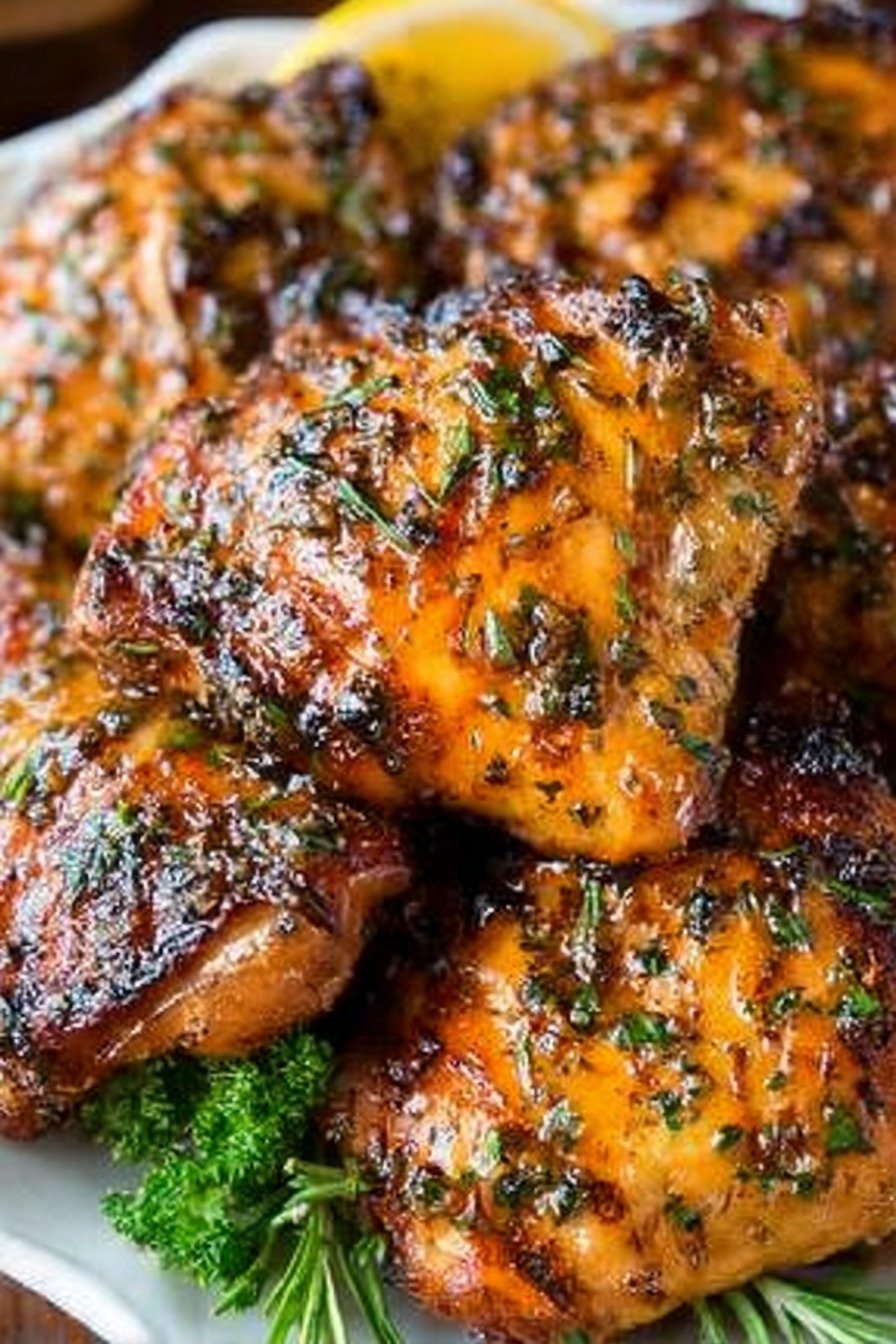
Many chicken thigh marinade recipes fail because they lean too hard on one flavor. Too much salt makes the outside sharp. Too much sugar scorches before the meat cooks through. Too much acid can make the surface soft instead of juicy. This method avoids those problems by using lemon zest instead of a large amount of liquid acid, which gives citrus aroma without breaking down the chicken too aggressively.
Another common problem is poor surface browning. If chicken goes straight from a wet bowl onto a pan or grill, the excess marinade can steam the surface. That means pale chicken, weak aroma, and less flavor development. Letting the extra marinade drip off before cooking helps the chicken make better contact with the heat.
Flat flavor usually comes from rushing the marinating time or coating the chicken unevenly. Chicken thighs need contact on all sides, especially around thicker edges and folds. Spoon the marinade over the top, turn the pieces, and give them at least one hour in the refrigerator. The flavor becomes more rounded, the garlic softens, and the herbs taste less raw.
Dryness is usually a cooking issue, not a marinade issue. Even a strong grilled chicken thigh marinade cannot rescue chicken that is cooked over scorching heat for too long. Medium heat, steady browning, and a short rest after cooking protect the juices and give the meat a better bite.
5) Ingredients for Chicken Thigh Marinade
Olive oil: Olive oil helps distribute the garlic, herbs, salt, and lemon zest across the chicken. Use it at the start when whisking the marinade so the flavorings suspend evenly. Replacing it with a neutral oil will work, but the marinade will taste less rounded.
Brown sugar: Brown sugar balances the soy sauce and helps the chicken brown. It is useful when cooking on the grill, in a skillet, or under a broiler because it encourages color. If reduced too much, the chicken may taste more salty than savory-sweet.
Soy sauce: Soy sauce adds salt, umami, and depth. It seasons the chicken more effectively than salt alone because it brings savory complexity. If you use a lower-sodium soy sauce, taste the marinade before adding the chicken and adjust only if needed.
Lemon zest: Lemon zest gives bright citrus aroma without adding much liquid. Use only the yellow part of the peel because the white pith can taste bitter. This is especially useful when you want freshness without turning the marinade too acidic.
Fresh parsley: Parsley lightens the flavor and makes the cooked chicken taste fresher. Add it directly to the marinade and save a little extra for garnish if desired. Dried parsley will not give the same clean finish.
Fresh thyme: Thyme gives the marinade a warm, woodsy note that works well with browned chicken. Chop it finely so it does not clump in one spot. If substituted with dried thyme, use less because dried herbs taste more concentrated.
Salt and pepper: Salt sharpens the overall flavor and helps season the chicken beyond the surface. Pepper adds gentle heat and aroma. Add both before marinating so the flavor has time to settle, not just sit on top.
Minced garlic: Garlic gives the chicken a savory backbone. Mince it finely so it spreads through the marinade instead of forming harsh pockets. Large garlic pieces can burn faster during high-heat cooking, so fine mincing matters.
- Chicken thighs vs chicken breasts: Thighs stay juicier because they contain more fat and connective tissue, making them more forgiving with a bold marinade.
- Lemon zest vs lemon juice: Zest adds aroma without thinning the marinade or making the chicken surface too soft.
- Fresh herbs vs dried herbs: Fresh parsley and thyme give a cleaner flavor, while dried herbs are stronger and should be used more sparingly.
- Wet surface vs lightly drained surface: A lightly drained surface browns better because it can sear instead of steam.
6) How to Make Chicken Thigh Marinade
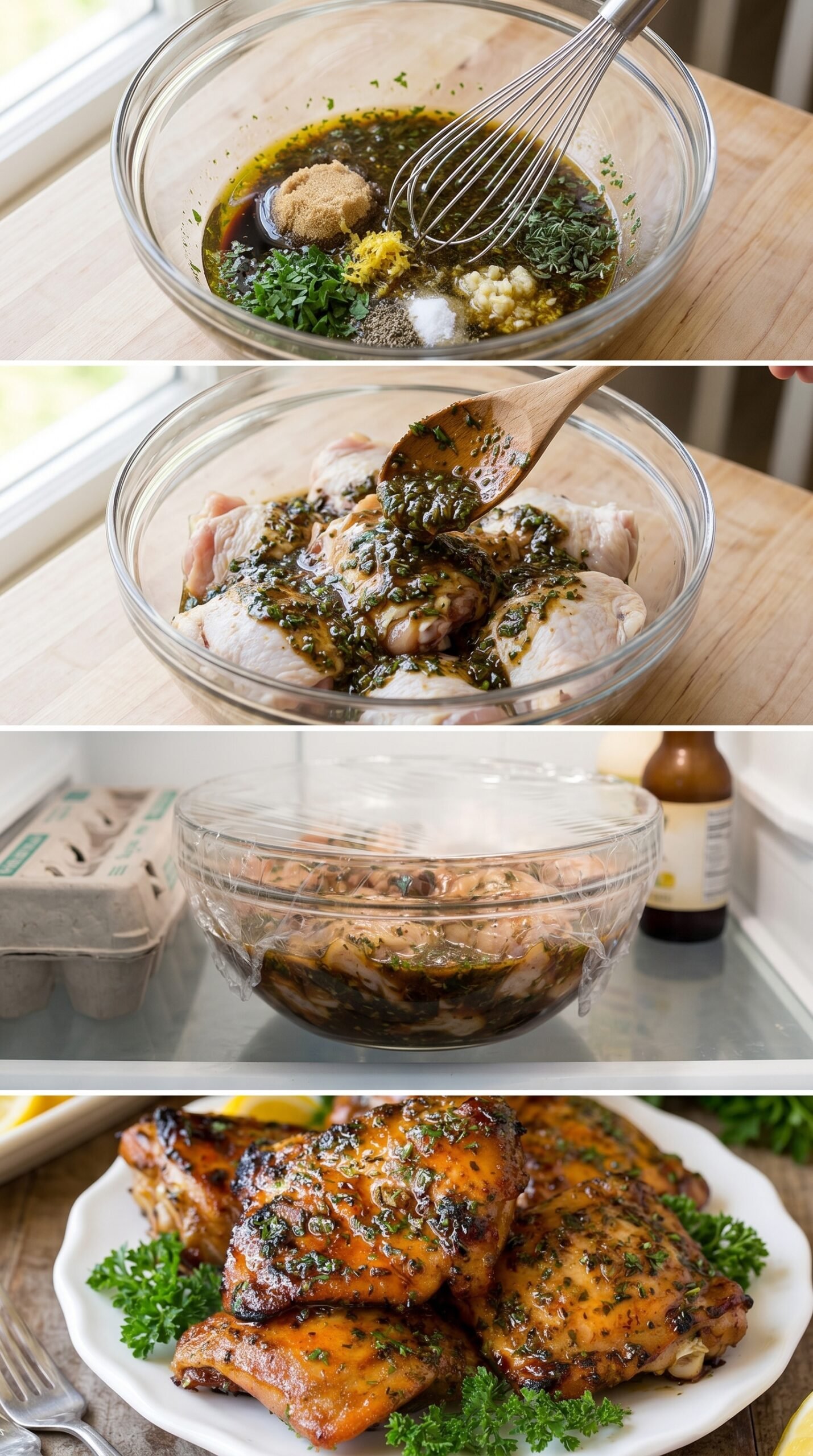
Step 1: Combine the olive oil, brown sugar, soy sauce, lemon zest, parsley, thyme, salt, pepper, and minced garlic in a large bowl. Whisk until the mixture looks glossy and the sugar begins to dissolve. The aroma should be savory, herbal, lightly sweet, and bright from the lemon zest.
Step 2: Add the chicken thighs and turn them several times so every surface is coated. Spoon the marinade over the top, especially around thicker sections. If parts of the chicken stay bare, those spots will taste less seasoned after cooking.
Step 3: Cover the bowl and refrigerate for at least 1 hour or up to 24 hours. One hour gives surface flavor, while a longer rest gives deeper seasoning. Do not leave the chicken sitting at room temperature while marinating because it needs cold storage for food safety.
Step 4: Remove the chicken from the marinade and let the excess drip back into the bowl. This step matters because a heavy coating of wet marinade can prevent browning. Discard used marinade unless it is boiled thoroughly for food safety.
Step 5: Cook the chicken as desired until the outside is browned and the thickest part reaches 165°F. Let the chicken rest for about 5 minutes before serving so the juices settle back into the meat instead of running out on the cutting board.
7) Recipe Card: Chicken Thigh Marinade
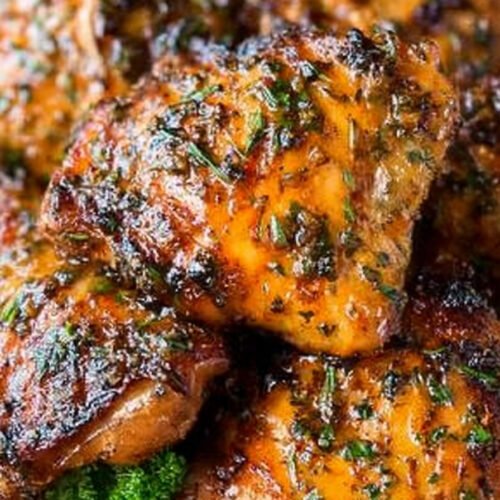
Chicken Thigh Marinade for Juicy, Flavorful Thighs
Ingredients
- 1/2 cup olive oil, used as the rich base that carries the herbs, garlic, and seasoning over the chicken thighs
- 2 tablespoons brown sugar, to help the chicken brown and balance the salty soy sauce
- 3 tablespoons soy sauce, for savory depth and seasoning throughout the marinade
- 1 1/2 teaspoons lemon zest, finely grated so the citrus oils perfume the chicken without adding excess liquid
- 1 tablespoon fresh parsley leaves chopped, plus more for garnish, for a fresh herbal finish
- 1 tablespoon fresh thyme leaves chopped, for a woodsy herb note that pairs well with grilled or roasted chicken
- 1 teaspoon salt, to season the chicken thighs beyond the surface
- 1/2 teaspoon pepper, freshly cracked if possible for better aroma
- 2 teaspoons minced garlic, minced finely so it disperses evenly through the marinade
Instructions
- Place the olive oil, brown sugar, soy sauce, lemon zest, chopped parsley, chopped thyme, salt, pepper, and minced garlic in a large bowl. Whisk until the sugar begins to dissolve and the marinade looks glossy and evenly blended.
- Add 2 pounds of chicken thighs to the bowl and turn them several times, spooning the marinade over every surface. Make sure the thicker parts are coated well so the seasoning reaches the meat evenly.
- Cover the bowl and refrigerate for at least 1 hour or up to 24 hours. For deeper flavor, turn the chicken once or twice during marinating, but avoid leaving it longer than a day because the texture can start to soften too much.
- Remove the chicken from the marinade, letting the excess drip back into the bowl, then cook as desired until the thighs are browned outside, juicy inside, and reach 165°F in the thickest part. Rest the cooked chicken for 5 minutes before serving so the juices settle.
8) Tips for Making Chicken Thigh Marinade
For better browning, remove the chicken from the refrigerator while you prepare your grill, skillet, or oven setup, but do not leave it out for a long stretch. A brief tempering period helps it cook more evenly, while still keeping food safety in mind.
If you are using this chicken thigh marinade for the grill, aim for medium heat rather than roaring flames. Brown sugar helps color the chicken, but direct high heat can push it from caramelized to bitter quickly. Move the thighs to a cooler zone if the outside darkens before the inside is done.
For boneless thighs, cooking is usually faster and the marinade coats more surface area. Bone-in thighs take longer, but the meat can stay especially juicy. In both cases, use a thermometer because color alone can be misleading when soy sauce and brown sugar are involved.
Do not reuse raw marinade as a sauce unless you boil it thoroughly. A safer option is to reserve a small amount of unused marinade before adding the chicken, then brush it lightly over the cooked chicken or spoon it around the plate for extra aroma.
9) Common Mistakes & Fixes
Problem: The chicken tastes salty on the outside but bland inside. Cause: The chicken did not marinate long enough or was not coated evenly. Fix: Give the thighs at least 1 hour and turn them so every side touches the marinade.
Problem: The outside burns before the chicken is cooked. Cause: The heat is too high for a marinade containing brown sugar. Fix: Cook over medium heat and move the chicken away from direct flames if the color develops too quickly.
Problem: The chicken looks pale and steamy. Cause: Too much marinade stayed on the surface. Fix: Let excess marinade drip off before cooking so the meat can brown instead of steam.
Problem: The garlic tastes harsh or bitter. Cause: Garlic pieces were too large or burned during cooking. Fix: Mince garlic finely and avoid cooking over uncontrolled high heat.
Problem: The texture feels soft or mushy. Cause: The chicken sat in the marinade too long. Fix: Stay within the 1 to 24 hour marinating window for the cleanest texture.
10) How to Tell Chicken Thighs Have the Right Texture and Doneness
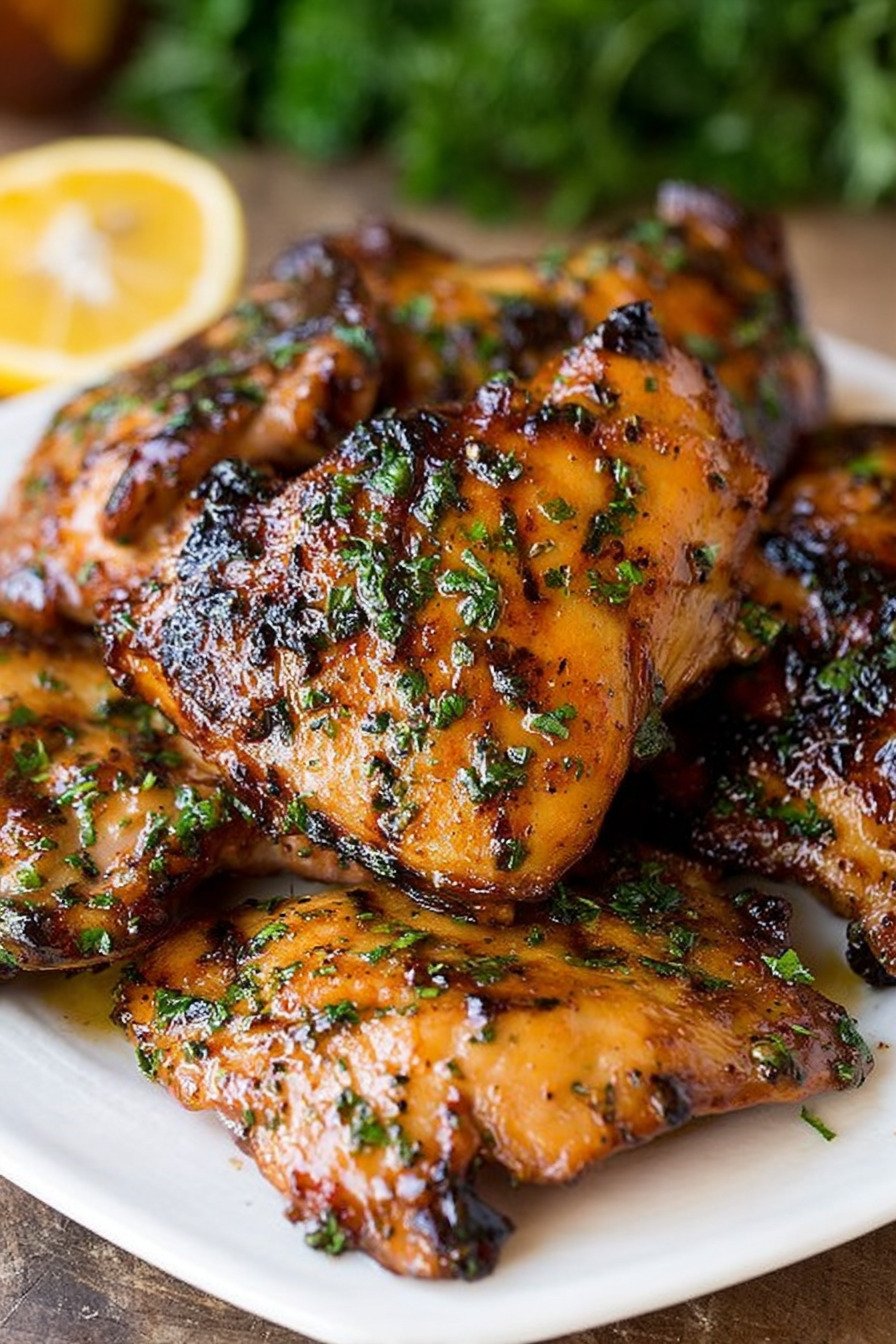
Properly cooked chicken thighs should look browned and slightly glossy on the outside, not wet or pale. The edges may have deeper color from the soy sauce and brown sugar, but they should not smell scorched. The aroma should be savory, garlicky, herbal, and lightly citrusy.
The texture should feel juicy and tender when sliced. The juices should run clear, and the thickest part should reach 165°F. If the chicken pulls apart easily but still looks moist, it is in the right zone. If it feels rubbery, it may need more time. If it feels dry and stringy, it likely cooked too long or rested too little.
Flavor should be balanced. You should notice savory soy sauce first, then mild sweetness, garlic, herbs, and a bright lemon aroma. If the chicken tastes flat, it may have needed more marinating time. If it tastes sharp or overly salty, the marinade may have been too concentrated for the amount of chicken used.
11) Professional Secrets Behind Better Chicken Thigh Marinade
The first professional habit is tasting the marinade before adding raw chicken. It should taste slightly stronger than you want the finished chicken to taste, because not all of that flavor penetrates the meat. It should not taste painfully salty, sugary, or oily.
The second secret is surface management. Browning requires contact with heat, and too much moisture blocks that contact. Letting excess marinade drip off is a small step that creates a noticeable difference in color and aroma.
The third secret is resting. Chicken thighs are forgiving, but they still benefit from a short rest after cooking. Resting gives the juices time to redistribute, which makes each bite feel more tender. Cutting immediately can make even well-marinated chicken seem drier than it really is.
The final secret is using the right heat for the sugar level. This is not a marinade that should be blasted over uncontrolled flames from start to finish. Steady heat creates caramelized edges, while harsh heat creates bitterness.
12) Best Dishes or Pairings to Serve With Chicken Thigh Marinade
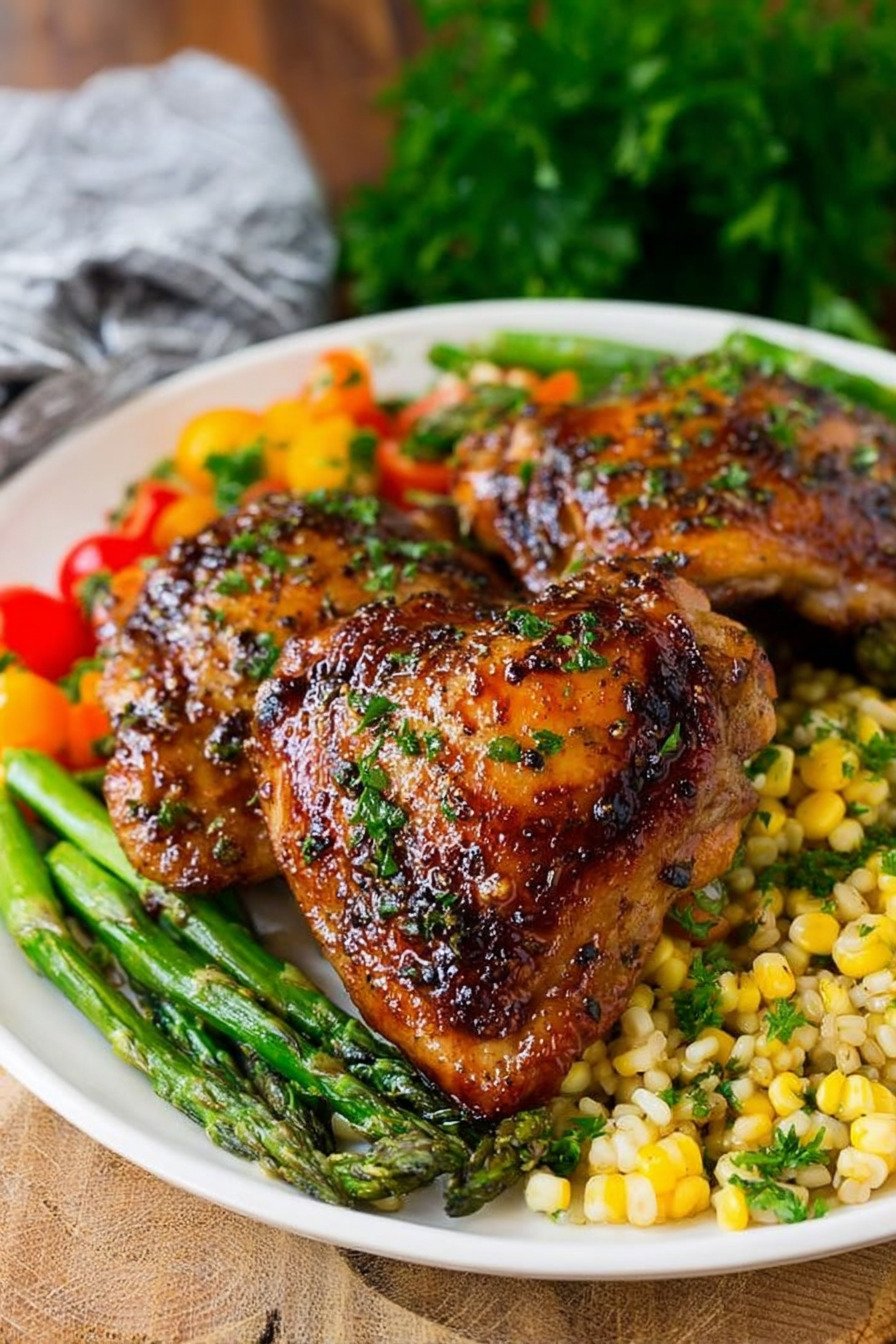
This chicken works well with rice because the savory juices soak into the grains without needing a heavy sauce. Cilantro lime rice, garlic rice, or plain steamed rice all make practical pairings. For a lighter plate, serve the thighs with a crisp cucumber salad, tomato salad, or grilled vegetables.
For a comfort-style dinner, pair the chicken with roasted potatoes, mashed potatoes, corn on the cob, or buttered noodles. If you are using the chicken for meal prep, slice it into wraps, grain bowls, chopped salads, or pita pockets. The garlic, herbs, soy sauce, and lemon zest give enough flavor to carry simple sides.
If you want a cookout-style meal, use this as a grilled chicken thigh marinade and serve it with coleslaw, pasta salad, grilled zucchini, or charred peppers. The slight sweetness in the marinade pairs especially well with smoky vegetables and tangy side dishes.


13) Making Chicken Thigh Marinade Ahead of Time
You can whisk the marinade ahead and refrigerate it separately for up to 2 days before adding the chicken. This is helpful when you want dinner prep to move quickly later. Stir or whisk it again before using because oil-based marinades can separate as they sit.
Once the chicken is added, marinate it for at least 1 hour and no longer than 24 hours. For the cleanest texture, start the chicken the night before or in the morning for dinner. If you are planning a grilled meal, remove the chicken from the marinade while the grill heats so the excess can drip off.
You can also cook the chicken ahead and reheat it gently. The best method is low heat with a splash of water or broth in a covered pan. High heat during reheating can dry out the edges, especially if the chicken has already been sliced.
14) Storing Leftover Chicken Thigh Marinade
Store cooked chicken thighs in an airtight container in the refrigerator for up to 4 days. Keep the pieces whole if possible because sliced chicken dries out faster. If you need to slice it for meal prep, store it with a little of its cooking juices to protect the texture.
Cooked chicken can be frozen for longer storage, though the herbs may lose some freshness. Wrap portions tightly and freeze for up to 2 months. Thaw overnight in the refrigerator before reheating gently.
Discard any raw marinade that has touched chicken unless it is boiled thoroughly. Do not store used raw marinade in the refrigerator for later brushing. For a safer finishing sauce, reserve a clean portion of marinade before adding the chicken.
15) FAQ (Real Cooking Questions)
Can I use this marinade for boneless and bone-in chicken thighs? Yes. Boneless thighs cook faster and absorb surface flavor quickly, while bone-in thighs take longer but stay very juicy. Use a thermometer either way and cook to 165°F.
How long should chicken thighs marinate? Marinate for at least 1 hour and up to 24 hours. One hour gives good surface flavor, while several hours gives a deeper result. Longer than 24 hours can soften the texture too much.
Can I use this as a chicken thigh marinade for the grill? Yes. Let excess marinade drip off before grilling, use medium heat, and watch for flare-ups because the brown sugar can darken quickly over direct flames.
Can I turn this into a balsamic chicken marinade for chicken thighs? You can add a small splash of balsamic vinegar as an optional variation, but do not add so much that the marinade becomes sharply acidic. The base should still taste savory, lightly sweet, and balanced.
Can I make a honey lime chicken thigh marinade variation? Yes, as a variation. Replace some of the brown sugar with honey and use lime zest instead of lemon zest. Keep the same marinating window and avoid very high heat because honey browns quickly.
Can I bake the chicken instead of grilling it? Yes. Place the marinated chicken on a lined baking sheet or in a baking dish and cook until browned and 165°F in the thickest part. Broiling briefly at the end can add more color, but watch closely.
16) Save This Chicken Thigh Marinade Recipe
If this Chicken Thigh Marinade helped you solve dry, bland chicken dinners, save it for grilling nights, meal prep, or a simple family dinner. The key reminder is: coat the thighs evenly, marinate long enough for flavor, let the excess drip off, and cook to juicy doneness.
17) Conclusion
A good chicken thigh marinade should do more than add surface flavor. It should help the chicken brown, smell inviting, taste seasoned, and stay juicy after cooking. The small details make the difference: whisk the marinade well, coat the meat fully, respect the marinating window, drain the excess, control the heat, and rest the chicken before serving.
Once you understand those checkpoints, chicken thighs become much more predictable. Instead of hoping the flavor carries through, you can see, smell, and taste what is happening at each stage. That is the real confidence behind this recipe: simple ingredients, used with intention, can turn an ordinary chicken dinner into something reliable and deeply satisfying.
18) Nutrition
Serving Size 1 portion Calories 335 Sugar 4 g Sodium 760 mg Fat 24 g Saturated Fat 5 g Carbohydrates 5 g Fiber 0 g Protein 25 g Cholesterol 130 mg






Leave a Comment