
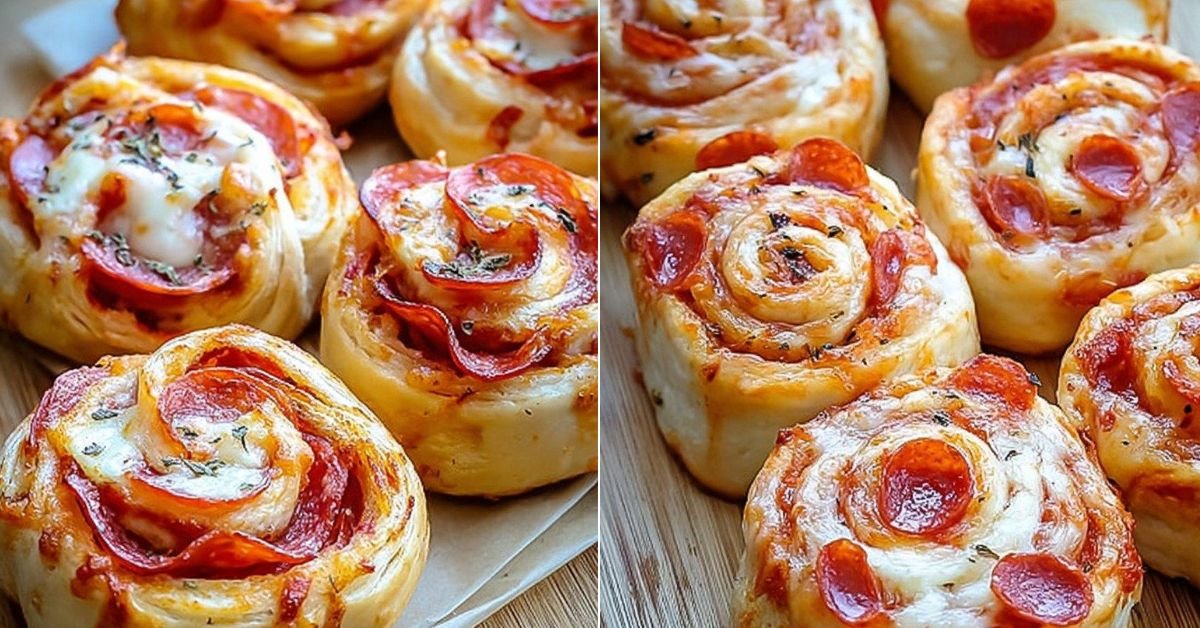
1) What I Learned Testing Easy Pepperoni Pizza Rolls
Pizza snacks can turn messy fast when the dough unrolls, the cheese leaks, or the centers taste bland. I’m Elena, and my first batch of pepperoni pizza rolls looked great going in but opened up like tiny scrolls in the oven. After testing tighter rolling, smaller chopped pepperoni, and a gentler serrated-knife cut, I discovered the seam matters more than people think. These warm, cheesy pizza dough roll ups became my favorite game day rescue because they give me that cozy, Friday-night pizza feeling without juggling slices, plates, and a table full of hungry snackers.
Table of Contents
- 1) What I Learned Testing Easy Pepperoni Pizza Rolls
- 2) Key Takeaways
- 3) Easy Pepperoni Pizza Rolls Recipe
- 4) Why Most Pepperoni Pizza Rolls Recipes Fail
- 5) Ingredients for Pepperoni Pizza Rolls
- 6) How to Make Pepperoni Pizza Rolls
- 7) Recipe Card: Easy Pepperoni Pizza Rolls
- 8) Tips for Making Pepperoni Pizza Rolls
- 9) Common Mistakes & Fixes
- 10) How to Tell Pepperoni Pizza Rolls Are Perfect
- 11) Professional Secrets Behind Better Pepperoni Pizza Rolls
- 12) Best Dishes or Pairings to Serve With Pepperoni Pizza Rolls
- 13) Making Pepperoni Pizza Rolls Ahead of Time
- 14) Storing Leftover Pepperoni Pizza Rolls
- 15) FAQ (Real Cooking Questions)
- 16) Save This Pepperoni Pizza Rolls Recipe
- 17) Conclusion
- 18) Nutrition
2) Key Takeaways
- Keep the roll tight: A snug log is the difference between clean spirals and rolls that open on the baking sheet.
- Chop the pepperoni: Smaller pieces spread the flavor evenly and make the rolls easier to slice.
- Use a serrated knife: A gentle sawing motion protects the spiral shape instead of flattening the dough.
- Serve them warm: The cheese is softest, the crust is puffiest, and the marinara clings best right after baking.
3) Easy Pepperoni Pizza Rolls Recipe
These pepperoni pizza rolls are built around refrigerated pizza crust, which makes them fast without turning them into a shortcut that tastes careless. The goal is a crisp-edged, puffy roll with melted mozzarella, salty Parmesan, and small bits of pepperoni tucked through the center. The method works because the dough is seasoned before filling, rolled from the short end for thicker spirals, and sliced into pieces that are small enough to bake quickly.
The best part is the balance: you get the comfort of pizza, the grab-and-dip fun of an appetizer, and the structure of a small roll that holds together when handled. That makes them useful for game day, movie night, after-school snacks, or any time a full pizza feels like more work than you want.
4) Why Most Pepperoni Pizza Rolls Recipes Fail
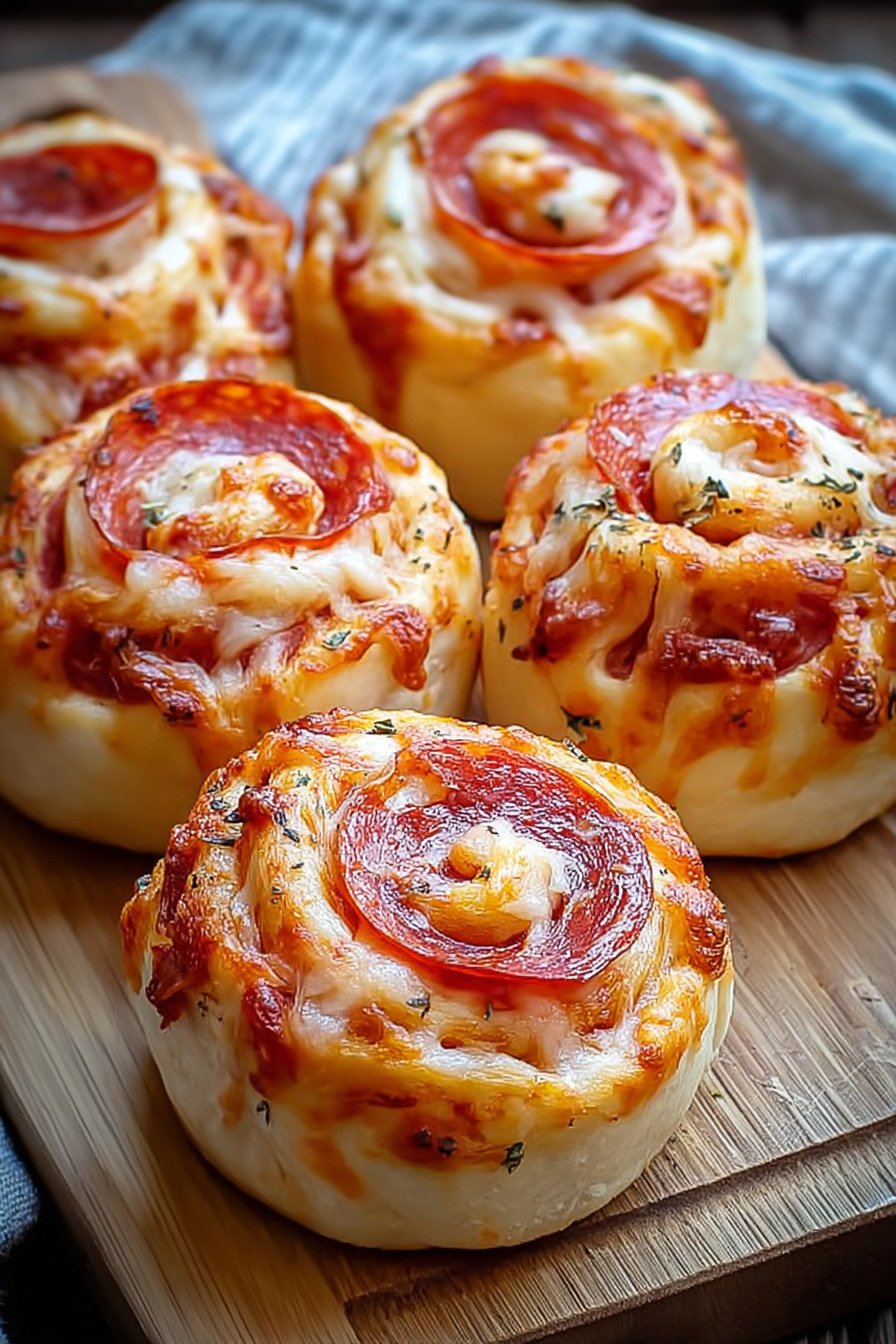
Most pepperoni pizza rolls fail for one of five reasons: loose rolling, uneven filling, thick slicing, overfilling, or poor baking spacing. A loose log lets steam push the spiral open, so the cheese escapes before the dough sets. Uneven filling creates bites that taste plain in one spot and overloaded in another. Thick slices can brown outside while staying doughy in the middle.
Overfilling is another common problem because cheese expands and melts quickly in a hot oven. If there is no border around the dough, the filling slides out instead of staying in the spiral. Crowding the baking sheet also traps steam, which makes the rolls pale and soft rather than golden and puffy. This method prevents those issues by seasoning the dough first, chopping the pepperoni, rolling tightly, slicing evenly, and placing each roll cut-side up with breathing room.
5) Ingredients for Pepperoni Pizza Rolls
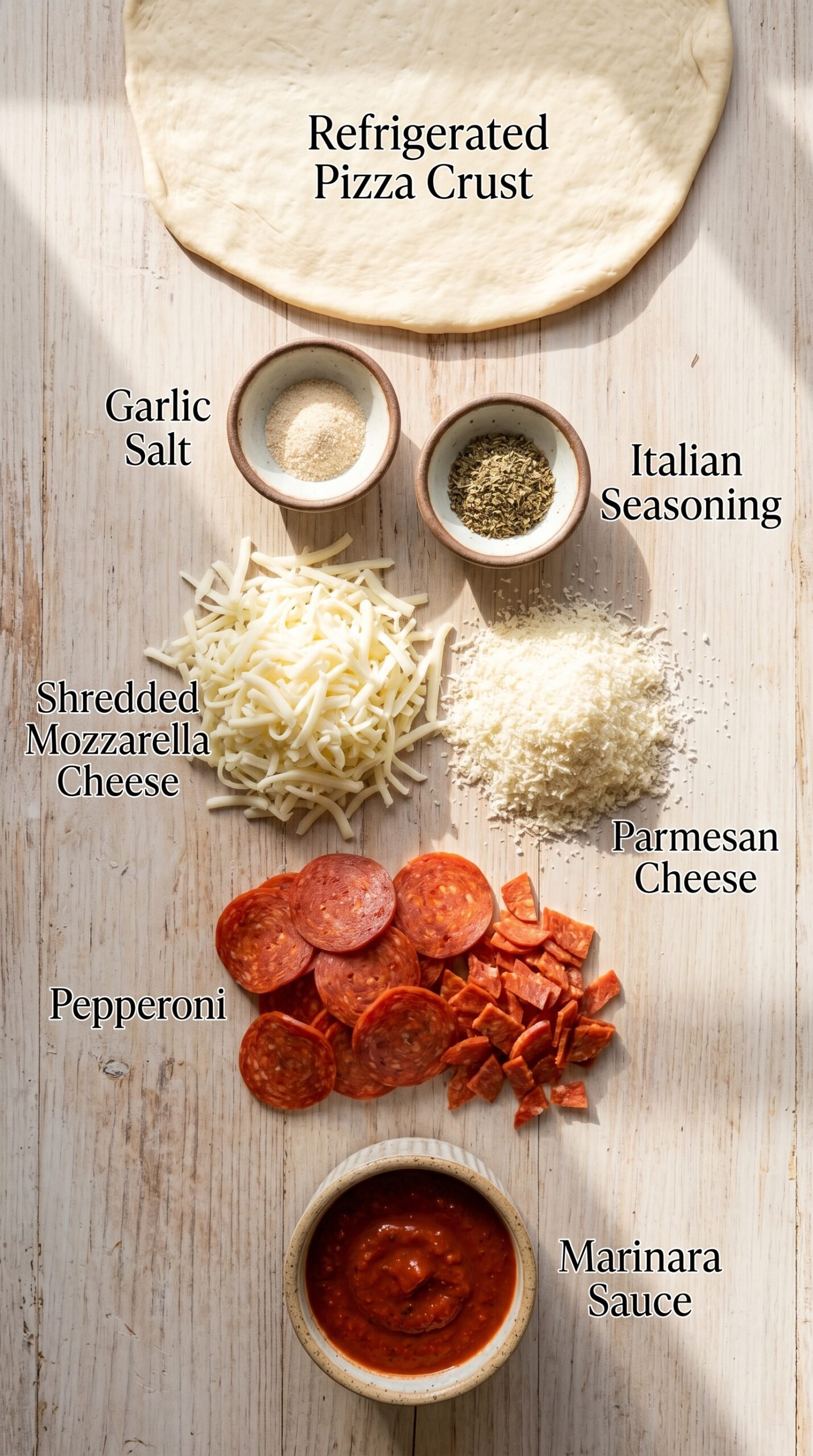
Refrigerated pizza crust: This is the structure of the rolls. Use it cold enough to handle but flexible enough to roll without cracking. If you swap in crescent dough for pizza roll ups with crescent rolls, the texture will be softer, richer, and more buttery, so check the rolls earlier because they may brown faster.
Garlic salt: Garlic salt seasons the dough before the filling goes in, which keeps the rolls from tasting flat. Add it evenly across the rectangle, not just in the center, because every slice becomes its own little bite.
Italian seasoning: This gives the rolls a pizza-style aroma before they even hit the oven. Dried herbs are strongest when spread evenly, so avoid dumping them in one patch.
Shredded mozzarella cheese: Mozzarella creates the melted, stretchy center. Use a measured amount rather than piling it on, because too much cheese leaks before the crust finishes baking.
Parmesan cheese: Parmesan adds salty depth and helps the filling taste more savory. It also supports the pizza flavor without adding too much moisture.
Pepperoni: Chopped pepperoni spreads better than whole slices in this recipe. It turns these into true pepperoni recipes appetizers because each roll gets flavor throughout instead of one large piece sliding out.
Marinara sauce: Marinara is served on the side so the rolls stay crisp instead of soggy. Warm it before serving for better flavor and a smoother dip.
- Pizza crust vs crescent dough: Pizza crust gives a chewier, more classic pizza bite, while crescent dough gives a softer pastry-like finish.
- Chopped pepperoni vs whole slices: Chopped pepperoni makes cleaner cuts and more even flavor; whole slices can drag when sliced.
- Mozzarella vs extra Parmesan: Mozzarella melts and stretches, while Parmesan seasons and sharpens the flavor.
- Warm marinara vs cold marinara: Warm sauce keeps the snack cozy and helps the cheese stay soft when dipped.
6) How to Make Pepperoni Pizza Rolls
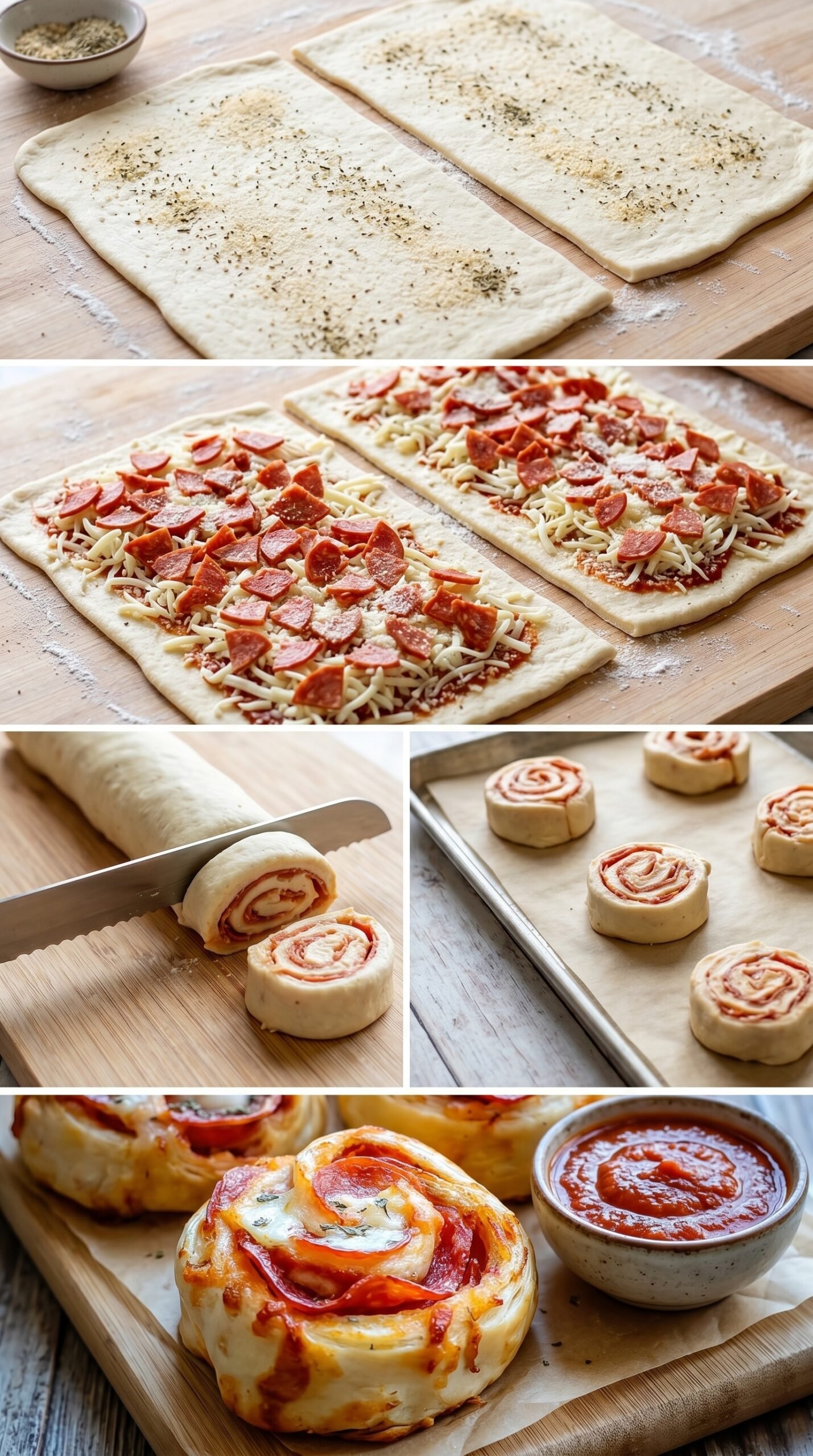
Step 1: Preheat the oven to 425°F and prepare a baking sheet. A fully heated oven matters because the dough needs quick heat to puff before the cheese has time to leak.
Step 2: Roll the pizza dough tubes into large rectangles on a lightly floured surface. Keep the dough even from edge to edge so the rolls bake at the same speed.
Step 3: Sprinkle garlic salt and Italian seasoning evenly over the dough. This is the flavor layer people often skip, and skipping it is why some pizza dough roll ups taste plain inside.
Step 4: Add the mozzarella, Parmesan, and chopped pepperoni in even layers. Leave a small border at the edge so the filling does not squeeze out when the dough is rolled.
Step 5: Roll tightly from a short end into a log, then pinch the seam shut. A tight roll creates a better spiral and keeps the filling tucked inside.
Step 6: Slice the log into 1-inch pieces with a serrated knife. Saw gently instead of pressing straight down so the rolls stay round rather than flattened.
Step 7: Place the pieces cut-side up on the baking sheet. Give them a little space so hot air can brown the edges.
Step 8: Bake for 10 to 12 minutes, until the rolls are golden brown, puffed, and the cheese is melted. The edges should look set, not pale or wet.
Step 9: Serve warm with marinara sauce. This is when the cheese is at its best and the crust still has that fresh-baked aroma.
7) Recipe Card: Easy Pepperoni Pizza Rolls
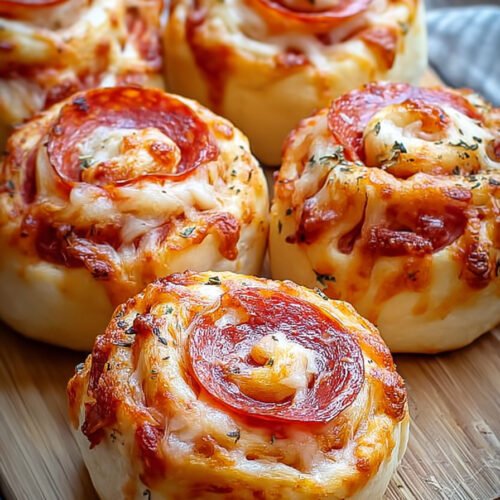
Easy Pepperoni Pizza Rolls for a Game Day Win
Ingredients
For the Dough
- 2 tubes refrigerated pizza crust, found near biscuits and crescent rolls, kept cold until rolling for easier handling
- 1 teaspoon garlic salt, sprinkled evenly so the dough tastes seasoned from edge to edge
- 1 teaspoon Italian seasoning, rubbed lightly between your fingers to wake up the dried herbs
For the Cheesy Filling
- 1 cup shredded mozzarella cheese, loosely packed so it melts without overstuffing the rolls
- 1/2 cup Parmesan cheese, finely grated for salty depth and better browning
The Star Player
- 1 cup pepperoni, sliced and chopped into small pieces so every roll gets an even bite
For Serving
- Marinara sauce for dipping, warmed before serving for the best pizza-shop flavor
Instructions
- Preheat the oven to 425°F (218°C). Line a baking sheet with parchment paper or lightly grease it so the melted cheese releases cleanly.
- Roll out the refrigerated pizza dough tubes on a lightly floured surface into large rectangles, keeping the dough even so the rolls bake at the same rate.
- Sprinkle the dough evenly with garlic salt and Italian seasoning, reaching the corners so no slice tastes plain.
- Layer the mozzarella and Parmesan cheeses over the seasoned dough, then scatter the chopped pepperoni evenly, leaving a small border so the filling does not spill out when rolled.
- Starting from a short end, roll the dough tightly into a log and pinch the seam shut. A snug roll prevents gaps and helps the cheese stay tucked inside.
- Slice the log into 1-inch pieces with a serrated knife, using a gentle sawing motion instead of pressing down, which can squash the spiral.
- Place the rolls cut-side up on the prepared baking sheet with a little space between each piece so the edges can puff and brown.
- Bake for 10 to 12 minutes, or until the rolls are puffy, golden brown, and the cheese is melted with lightly crisp edges.
- Serve the pepperoni pizza rolls warm with marinara sauce for dipping while the centers are still gooey and the crust is tender.
8) Tips for Making Pepperoni Pizza Rolls
The strongest tip is to keep the dough manageable. If it becomes too warm, it stretches too easily and can tear when rolled. A slightly cool dough holds its rectangle shape better and gives cleaner slices. If the surface feels sticky, add only a light dusting of flour. Too much flour can make the seam dry, and a dry seam is harder to pinch closed.
Do not overstuff the filling. A thin, even layer works better than a heavy pile because the dough needs space to wrap around the cheese and pepperoni. For cheese pizza rolls, you can leave out the pepperoni, but avoid doubling the cheese unless the dough still closes cleanly. If you want a larger pepperoni roll style, cut thicker pieces and expect a slightly longer bake, but watch the bottoms so they do not overbrown.
For better browning, place the rolls cut-side up and avoid crowding the pan. When they sit too close together, they steam. When they have space, the edges puff, set, and turn golden. That little bit of spacing is small, but it changes the final texture.
9) Common Mistakes & Fixes
Problem: The rolls open while baking. Cause: The log was rolled too loosely or the seam was not pinched firmly. Fix: Roll from the short end with steady pressure and pinch the seam closed before slicing.
Problem: Cheese leaks all over the pan. Cause: The dough was overfilled or the filling reached the edge. Fix: Use an even layer and leave a small border so the dough can seal around the filling.
Problem: The rolls look flat instead of round. Cause: The knife pressed down too hard. Fix: Use a serrated knife and a gentle sawing motion to protect the spiral.
Problem: The centers taste bland. Cause: The dough was not seasoned evenly before filling. Fix: Sprinkle garlic salt and Italian seasoning across the full rectangle before adding cheese.
Problem: The bottoms brown before the centers are done. Cause: The slices were too thick or the pan was too dark. Fix: Keep slices close to 1 inch and check the rolls at the lower end of the baking time.
10) How to Tell Pepperoni Pizza Rolls Are Perfect
Pepperoni pizza rolls are done when the dough looks puffed, the tops and edges are golden, and the spirals hold their shape when lifted. The cheese should be melted but not completely emptied onto the pan. You may see a few browned cheese spots around the edges, which is fine; a full puddle means the rolls were likely overfilled or loosely sealed.
The texture should be tender inside with lightly crisp outer edges. The aroma should smell like toasted dough, garlic, herbs, melted cheese, and warm pepperoni. If the rolls look pale, feel heavy, or seem wet between the layers, they need another minute or two. If the bottoms are dark while the tops are pale, the oven heat may be too low or the pan may be too close to the bottom element.
11) Professional Secrets Behind Better Pepperoni Pizza Rolls
The biggest professional-style move is controlling distribution. Small chopped pepperoni, evenly scattered cheese, and seasoning across the whole dough create consistent bites. That sounds simple, but it is the reason one roll does not taste like plain bread while another tastes overloaded.
Another useful trick is to treat the seam like the bottom of a filled pastry. Pinch it firmly and position the pieces cut-side up so the dough has structure as it bakes. If the log feels too soft after rolling, chilling it briefly before slicing can help the cuts stay cleaner. This is especially helpful when making a larger batch for a party tray.
Finally, serve sauce separately. Baking the rolls with sauce inside may sound tempting, but sauce adds moisture and can make the dough gummy. A warm marinara dip gives you the pizza flavor while preserving the roll’s texture.
12) Best Dishes or Pairings to Serve With Pepperoni Pizza Rolls
Serve pepperoni pizza rolls with warm marinara as the main dip, then add a cool, creamy dip like ranch or garlic Parmesan sauce if you want variety. For a game day spread, they pair well with veggie sticks, Caesar salad cups, baked wings, mozzarella sticks, or a simple chopped salad that cuts through the richness.
For a casual dinner, add roasted vegetables or a crisp Italian-style salad so the meal does not feel too heavy. If serving kids, keep the sauce mild and warm, and let the rolls cool for a few minutes because the cheese inside stays hotter than the crust suggests.

13) Making Pepperoni Pizza Rolls Ahead of Time
You can make pepperoni pizza rolls ahead by assembling the filled log, wrapping it tightly, and refrigerating it for a few hours before slicing. Cold dough cuts more cleanly, which can actually improve the shape. Do not leave the assembled dough too long, though, because the filling can begin to soften the dough and make the seam harder to hold.
If you want to prep for a party, slice the rolls shortly before baking and keep them chilled on the prepared pan while the oven heats. Bake them fresh when possible because the texture is best when the crust puffs in the oven and the cheese melts right before serving. Pepperoni rolls with Rhodes rolls can also work as a variation, but that dough usually needs thawing and proofing first, so timing changes.
14) Storing Leftover Pepperoni Pizza Rolls
Store leftover pepperoni pizza rolls in an airtight container in the refrigerator for up to 3 days. Let them cool before closing the container so trapped steam does not make the crust soggy. For the best reheating texture, use a 350°F oven or toaster oven until warmed through. The microwave works when you need speed, but it softens the crust and can make the rolls chewy.
Freezing is possible, but the texture is better when they are frozen after baking rather than before. Reheat from frozen in the oven until hot in the center. Leftovers can be served with soup, packed into a lunchbox with sauce on the side, or cut into smaller bites for a snack plate.
15) FAQ (Real Cooking Questions)
Can I make pizza roll ups with crescent rolls instead? Yes, but the texture changes. Crescent rolls bake softer and more buttery, while pizza crust gives a chewier, more classic pizza bite. Check them early because crescent dough can brown faster.
Why did my pepperoni pizza rolls unroll in the oven? The dough was likely rolled loosely or the seam was not pinched shut. Roll with steady pressure, avoid overfilling, and place the cut pieces upright so the spiral sets as it bakes.
Can I make cheese pizza rolls without pepperoni? Yes. Keep the same method and simply leave out the pepperoni. Avoid adding too much extra cheese, because overfilling can cause leaks and prevent the dough from baking cleanly.
How do I keep the rolls from getting soggy? Serve marinara on the side instead of baking sauce inside. Also give the rolls space on the baking sheet so steam can escape and the edges can brown.
Can I use this idea for other pepperoni recipes appetizers? Yes. The same filling approach works for small party bites, but keep the dough thin enough to bake through and chop the pepperoni so the pieces slice neatly.
16) Save This Pepperoni Pizza Rolls Recipe
If this pepperoni pizza rolls recipe helped you solve the problem of messy, unrolled pizza snacks, save it for game day, movie night, or quick party appetizers. The key reminder is: roll tightly, pinch the seam, and slice gently for clean cheesy spirals.
17) Conclusion
Good pepperoni pizza rolls are not about piling on more filling; they are about control. Even seasoning, chopped pepperoni, a tight roll, a sealed seam, and clean slicing create the difference between a pan of leaky dough and a tray of golden, dippable spirals. Once you understand those small checkpoints, this recipe becomes reliable instead of random. You get warm pizza flavor, soft melted cheese, crisp edges, and the calm confidence of knowing the rolls will actually hold together when people reach for them.
18) Nutrition
Serving Size 1 portion Calories 265 Sugar 3 g Sodium 780 mg Fat 13 g Saturated Fat 6 g Carbohydrates 25 g Fiber 1 g Protein 11 g Cholesterol 28 mg





Leave a Comment