
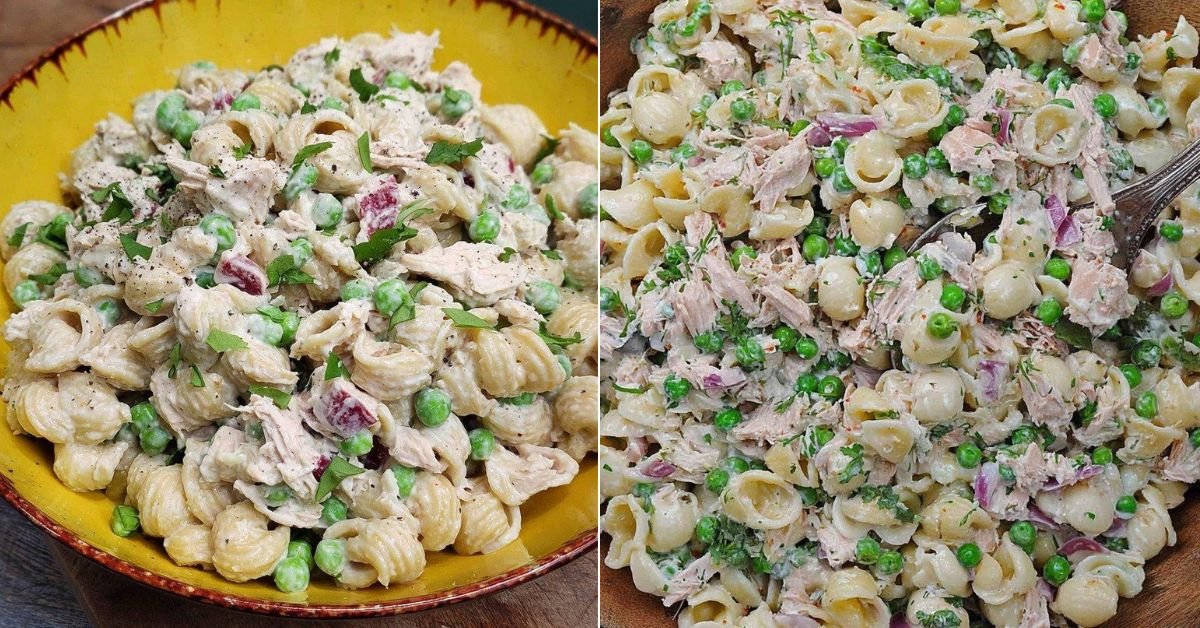
1) What I Learned Testing The Best Tuna Pasta Salad
Tuna pasta salad can go wrong fast: watery dressing, bland tuna, soft vegetables, and pasta that tastes dull after chilling. I’m Elena, and after a few disappointing bowls that felt heavy instead of fresh, I tested the dressing balance, pasta cooling time, and how finely to chop the vegetables. The discovery was simple but important: a healthy tuna pasta salad needs drained tuna, cooled pasta, enough crunch, and a creamy-tangy dressing that coats without drowning everything. This tuna pasta salad now feels like the calm, reliable lunch I want for warm days, family cookouts, and make-ahead meals.
Table of Contents
- 1) What I Learned Testing The Best Tuna Pasta Salad
- 2) Key Takeaways
- 3) Easy The Best Tuna Pasta Salad Recipe
- 4) Why Most The Best Tuna Pasta Salad Recipes Fail
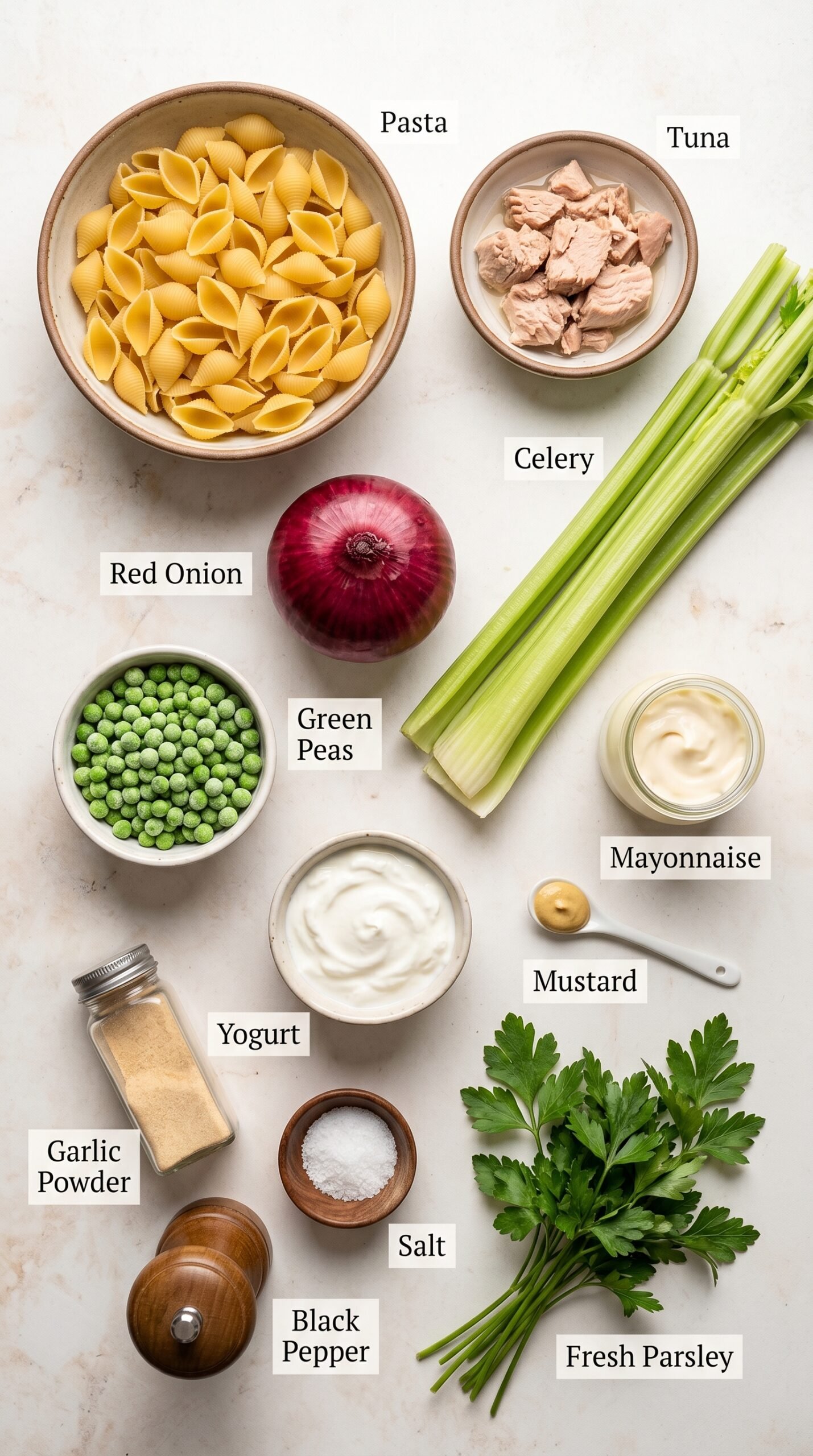
- 5) Ingredients for The Best Tuna Pasta Salad
- 6) How to Make The Best Tuna Pasta Salad
- 7) Recipe Card: The Best Tuna Pasta Salad
- 8) Tips for Making The Best Tuna Pasta Salad
- 9) Common Mistakes & Fixes
- 10) How to Tell The Best Tuna Pasta Salad Has the Right Texture
- 11) Professional Secrets Behind Better The Best Tuna Pasta Salad
- 12) Best Dishes or Pairings to Serve With The Best Tuna Pasta Salad
- 13) Making The Best Tuna Pasta Salad Ahead of Time
- 14) Storing Leftover The Best Tuna Pasta Salad
- 15) FAQ (Real Cooking Questions)
- 16) Save This The Best Tuna Pasta Salad Recipe
- 17) Conclusion
- 18) Nutrition
2) Key Takeaways
- Cool the pasta before dressing: Warm pasta can loosen the creamy dressing and make the salad feel heavy instead of fresh.
- Drain the tuna well: Extra liquid is one of the fastest ways to turn a healthy tuna pasta salad watery.
- Use texture contrast: Celery, red onion, peas, and herbs keep the salad from tasting flat after chilling.
- Balance mayo with yogurt: Yogurt lightens the dressing while mustard, garlic powder, salt, and pepper sharpen the flavor.
3) Easy The Best Tuna Pasta Salad Recipe
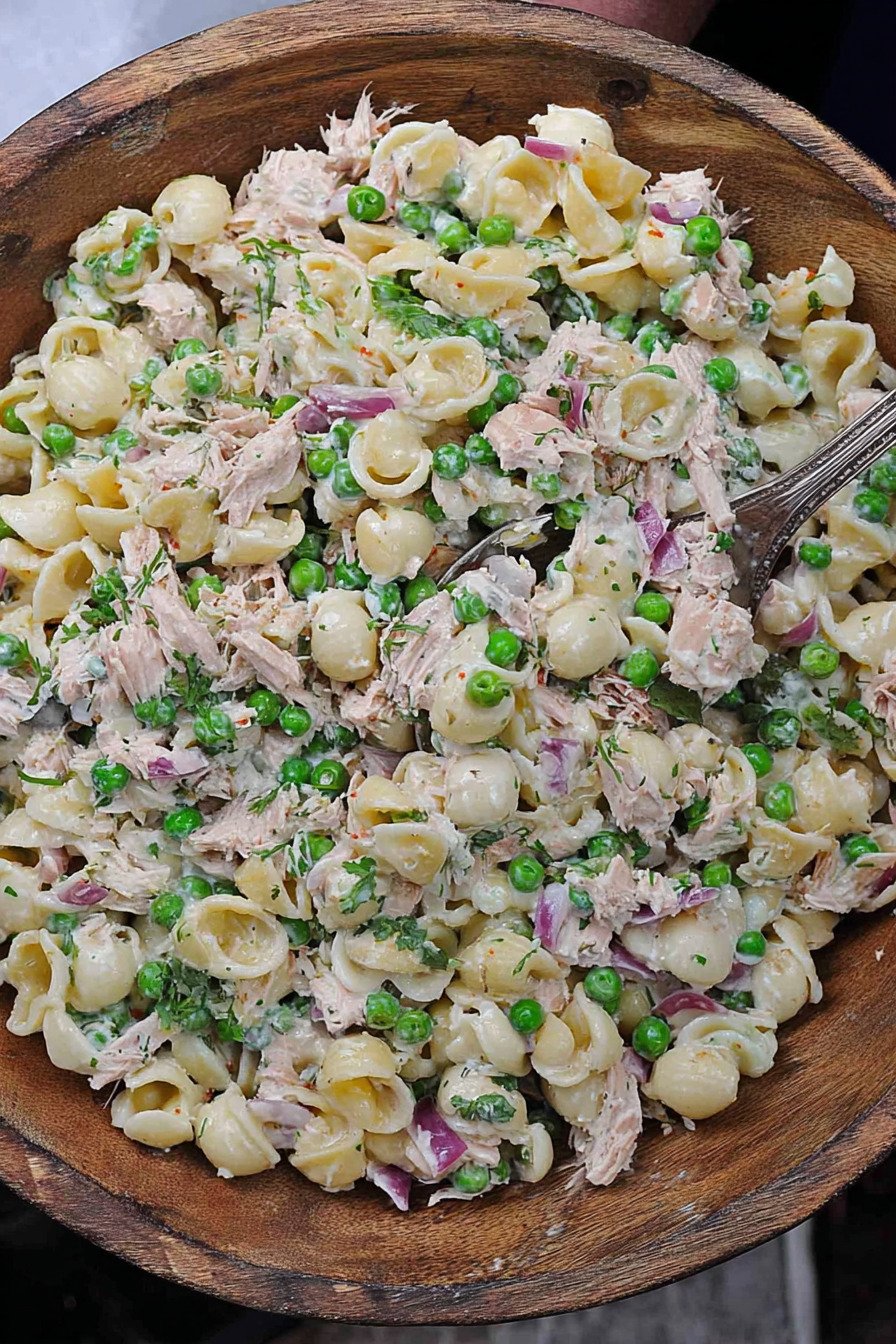
This easy tuna pasta salad works because every part has a job. Small pasta shapes catch the dressing, tuna brings protein and savory depth, celery adds snap, red onion adds bite, peas add gentle sweetness, and the mayonnaise-yogurt dressing gives creaminess without making the salad feel dense. The method is simple, but the checkpoints matter: cook the pasta only until tender, drain it well, cool it before mixing, and fold the tuna gently so the salad keeps texture instead of turning mushy.
The goal is a protein tuna pasta salad that tastes cool, creamy, bright, and satisfying. It should hold together on a fork but not clump. It should taste seasoned when cold, because chilled pasta often mutes salt, herbs, and acidity. That is why mustard, garlic powder, black pepper, parsley or dill, and a properly seasoned dressing make such a difference.

4) Why Most The Best Tuna Pasta Salad Recipes Fail
The pasta is dressed while too warm. Warm pasta absorbs dressing quickly and can make the creamy mixture thin, greasy, or uneven. Letting the pasta cool to room temperature helps the dressing cling instead of disappearing into the shells.
The tuna is not drained enough. Tuna liquid dilutes the mayonnaise and yogurt, leaving watery pockets at the bottom of the bowl. Draining well keeps the salad creamy and prevents the flavor from tasting washed out.
The vegetables are chopped too large. Big pieces of celery or onion can dominate a bite. Finely chopped vegetables distribute crunch and sharpness evenly, which makes the salad feel balanced.
The dressing is under-seasoned. Cold pasta needs more seasoning clarity than hot pasta. Mustard, garlic powder, salt, pepper, and fresh herbs keep this healthy pasta salad from tasting bland after chilling.
The tuna is mixed too aggressively. Stirring hard can crush the pasta and make the tuna paste-like. A fork helps break up large tuna pieces while keeping the salad light and textured.
5) Ingredients for The Best Tuna Pasta Salad
Small shell pasta: Small shells hold the dressing in their curves, which gives each bite more flavor. Use them when you want a creamy salad that coats well. If you replace them with farfalle, fusilli, or rotini, choose a small shape that catches dressing instead of a long noodle that tangles.
Drained tuna fish: Tuna gives this salad its protein and savory backbone. Tuna packed in water keeps the flavor cleaner and lighter. If the tuna is not drained well, the dressing can thin out and the salad may taste watery after chilling.
Celery: Celery adds the crisp texture that keeps tuna pasta salad from feeling too soft. Use it when you want freshness and crunch. If you chop it too large, it can taste harsh; if you skip it, the salad loses contrast.
Red onion: Red onion adds sharpness that cuts through the creamy dressing. Use green onion if you want a milder flavor. If your red onion is very strong, a quick cold-water soak softens the bite without removing the crunch.
Frozen green peas: Peas bring sweetness, color, and a soft pop against the pasta and tuna. They work especially well in a summer tuna pasta salad because they make the bowl feel fresher and more balanced.
Mayonnaise: Mayonnaise gives body and classic creaminess. Regular mayonnaise tastes richer, while light mayonnaise reduces heaviness. If you use too little, the pasta can taste dry after chilling.
Plain yogurt or Greek yogurt: Yogurt lightens the dressing and adds tang. Greek yogurt makes the dressing thicker and higher in protein, while regular yogurt makes it softer. Too much thin yogurt can loosen the salad, so stir before serving.
Mustard, garlic powder, salt, and black pepper: These seasonings keep the creamy dressing from tasting flat. Mustard adds sharpness, garlic powder adds savory depth, salt wakes up the pasta, and black pepper adds gentle warmth.
Fresh parsley or dill: Herbs brighten the finish. Parsley tastes clean and mild, dill gives a more classic tuna-salad flavor, and using both creates a fresher, more layered result.
- Small shells vs larger pasta: Small shells hold creamy dressing better, while large shapes can leave the salad feeling unevenly coated.
- Greek yogurt vs regular yogurt: Greek yogurt makes a thicker protein tuna pasta salad, while regular yogurt gives a lighter, softer texture.
- Red onion vs green onion: Red onion adds sharper contrast, while green onion gives a gentler flavor for meal prep or lunch bowls.
- Parsley vs dill: Parsley keeps the salad fresh and neutral, while dill gives a stronger deli-style tuna salad flavor.
6) How to Make The Best Tuna Pasta Salad
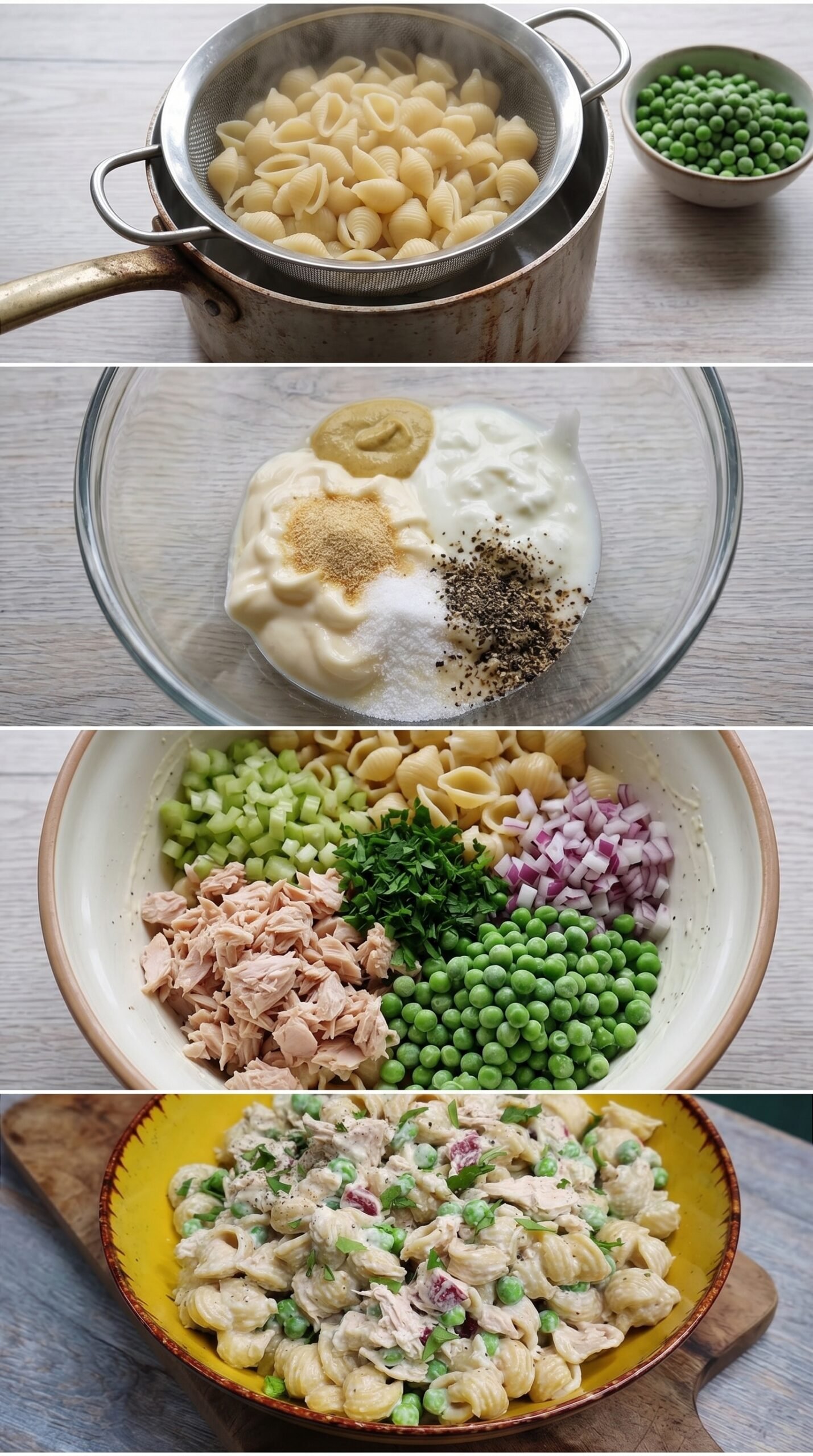
Step 1: Boil the pasta according to the package directions until tender but still structured. Drain it well, then let it cool to room temperature. This cooling step protects the dressing from thinning and helps the final salad stay creamy.
Step 2: Stir the mayonnaise, yogurt, mustard, garlic powder, salt, and black pepper together in a mixing bowl until smooth. The dressing should look creamy and even before anything else goes in, because seasoning is harder to distribute after the tuna and pasta are added.
Step 3: Finely chop the celery and red onion, then mince the parsley or dill. Add them to the dressing so the vegetables get lightly coated and spread evenly through the salad.
Step 4: Add the drained tuna on top and mix gently with a fork, breaking up large pieces while keeping some flakes intact. Avoid smashing the tuna into a paste.
Step 5: Fold everything together until the pasta, tuna, peas, vegetables, herbs, and dressing are evenly combined. Serve immediately for a softer flavor, or chill for at least 1 hour so the dressing firms slightly and the flavors settle.
7) Recipe Card: The Best Tuna Pasta Salad
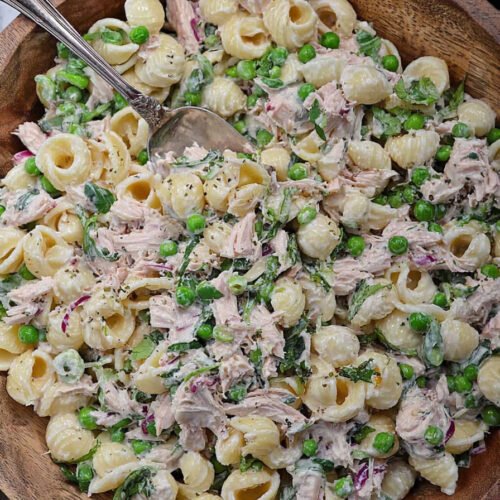
The Best Tuna Pasta Salad for a Healthy Tuna Pasta Salad Lunch
Ingredients
- 10 oz pasta small shells (2.5 cups), or another small-shaped pasta such as farfalle, fusilli, or rotini for good dressing coverage
- 10 oz tuna fish, drained (1.5 cups); tuna packed in water keeps the salad lighter and cleaner tasting
- 4.1 oz celery, 2 large stalks (1 cup chopped), for crisp texture and freshness
- 3.5 oz red onion, 1 medium (1 cup chopped); use green onion for a milder bite
- 5.6 oz green peas, frozen, 1 cup, added for sweetness and color
- 1/2 cup mayonnaise, regular or light, for creamy body
- 3/4 cup plain yogurt or Greek yogurt, for tang and a lighter dressing texture
- 1 tsp mustard, to sharpen the dressing and balance the creaminess
- 1/2 tsp garlic powder, for gentle savory depth
- 1/2 tsp salt, adjusted to taste after mixing
- 1/4 tsp black pepper, for mild warmth
- 1/2 cup fresh parsley, chopped, or dill, or a combination of the two for a fresh herbal finish
Instructions
- Boil the pasta according to the package instructions until just al dente, then drain well and let it cool to room temperature so the dressing does not turn loose or greasy.
- In a large mixing bowl, stir together the mayonnaise, yogurt, mustard, garlic powder, salt, and black pepper until the dressing looks smooth, creamy, and evenly seasoned.
- Finely chop the celery and red onion, then mince the parsley. Add them to the bowl with the dressing so the vegetables are coated evenly from the start.
- Add the drained tuna and gently mix with a fork, breaking up any large pieces while keeping some texture. Serve immediately, or chill for at least 1 hour so the flavors meld and the salad becomes cooler, creamier, and more balanced.
8) Tips for Making The Best Tuna Pasta Salad
For a healthy tuna pasta salad with the best texture, treat cooling and draining as real recipe steps, not afterthoughts. Pasta that is still steaming will soften the dressing and can make the bowl taste dull. Tuna that carries extra liquid will water down the seasoning. Vegetables that are cut too large will make some bites sharp and others bland.
Season the dressing before adding the main ingredients. This gives the mustard, garlic powder, salt, and pepper a chance to spread evenly. After chilling, taste again and adjust lightly if needed because cold pasta can mute salt and herbs. If the salad feels too thick after refrigeration, loosen it with a small spoonful of yogurt or mayonnaise rather than adding water.
For meal prep, keep the salad chilled and stir it before serving. The pasta will continue to absorb some dressing as it rests, which is normal. A fresh sprinkle of herbs right before eating makes the salad taste brighter and more like it was just mixed.
9) Common Mistakes & Fixes
Problem: The salad turns watery. Cause: The tuna was not drained well, the pasta was too warm, or the yogurt was very thin. Fix: Drain tuna thoroughly, cool the pasta first, and use Greek yogurt for a thicker dressing if needed.
Problem: The pasta tastes bland after chilling. Cause: Cold pasta dulls seasoning, especially salt and herbs. Fix: Season the dressing fully before mixing, then taste again after the salad chills.
Problem: The salad feels mushy. Cause: The pasta was overcooked or the tuna was stirred too aggressively. Fix: Cook pasta just until tender and use a fork to gently break up tuna without crushing the pasta.
Problem: The onion flavor is too strong. Cause: Raw red onion can be sharp, especially when chopped thick. Fix: Chop it finely, use green onion, or soak the chopped red onion in cold water for a few minutes before draining.
10) How to Tell The Best Tuna Pasta Salad Has the Right Texture
The salad should look creamy but not soupy. The dressing should cling to the pasta shells without pooling at the bottom of the bowl. The tuna should be broken into tender flakes, not mashed into a paste. Celery and onion should add small bursts of crunch, while peas should feel soft and sweet, not icy or hard.
The flavor should be cool, savory, lightly tangy, and fresh from the herbs. You should notice tuna, creamy dressing, gentle mustard sharpness, and clean vegetable crunch in the same bite. If the salad tastes flat, it likely needs a small pinch of salt, more herbs, or a little extra mustard. If it feels heavy, a spoonful of yogurt can brighten it without changing the recipe identity.
11) Professional Secrets Behind Better The Best Tuna Pasta Salad
The biggest professional-style difference is mixing in stages. Make the dressing first so it is smooth and seasoned. Add finely chopped vegetables so their flavor spreads through the dressing. Then add tuna gently so it keeps texture. This order prevents the common problem of dry pasta in one bite and heavy dressing in another.
Another useful technique is to think of this as a chilled salad, not a hot pasta dish. Chilled salads need stronger seasoning, cleaner textures, and less moisture. That is why drained tuna, room-temperature pasta, crisp celery, and a yogurt-mayo dressing work better than simply stirring everything together while warm.
12) Best Dishes or Pairings to Serve With The Best Tuna Pasta Salad
This tuna pasta salad works well as a cool lunch, a picnic side, or a simple summer salad recipe for a cookout table. Serve it with crisp lettuce leaves, sliced cucumbers, tomatoes, toasted bread, crackers, or a bowl of fresh fruit. For a tuna salad lunch bowl, spoon it over greens and add extra herbs on top for freshness.
For a fuller meal, pair it with grilled vegetables, corn on the cob, roasted potatoes, hard-boiled eggs, or a light soup. Since the salad is creamy and protein-rich, it pairs best with sides that are crisp, juicy, acidic, or lightly toasted rather than another heavy creamy dish.
13) Making The Best Tuna Pasta Salad Ahead of Time
This healthy pasta salad can be made ahead, but it tastes best when the texture is protected. Chill it for at least 1 hour if you want the flavors to meld. For longer storage, keep it covered in the refrigerator and stir before serving. Pasta absorbs dressing as it sits, so refresh the salad with a small spoonful of yogurt or mayonnaise if it looks tight or dry.
If making it for a gathering, chop the vegetables finely and drain the tuna well before mixing. Keep the salad cold until serving, especially in warm weather. Add a small handful of fresh herbs right before serving if you want the flavor to taste brighter and less refrigerated.
14) Storing Leftover The Best Tuna Pasta Salad
Store leftover tuna pasta salad in an airtight container in the refrigerator. It is best within 2 to 3 days because the dressing continues to absorb into the pasta and the vegetables gradually lose crunch. Stir before serving and taste for seasoning after chilling.
Freezing is not recommended for this salad. The yogurt and mayonnaise dressing can separate, and the pasta and celery can turn soft after thawing. For leftovers, serve it cold as a lunch bowl, spoon it into lettuce cups, or tuck it into a wrap with extra greens for more freshness.
15) FAQ (Real Cooking Questions)
Can I use Greek yogurt instead of plain yogurt? Yes. Greek yogurt makes the dressing thicker and adds more protein, which works especially well for a protein tuna pasta salad. If it feels too thick after chilling, stir in a small spoonful of mayonnaise or regular yogurt.
Can I make this tuna pasta salad without mayonnaise? You can use more yogurt, but the flavor will be tangier and the texture less rich. For the best balance, keep at least a little mayonnaise unless you specifically want a sharper yogurt-based salad.
Why did my tuna pasta salad get dry in the fridge? Pasta absorbs dressing as it rests. Stir it well before serving and refresh it with a small spoonful of yogurt or mayonnaise. Avoid adding water because it weakens the flavor.
Can I use canned tuna in oil? Yes, but the salad will taste richer and heavier. Tuna in water keeps the dressing cleaner and lighter, which is why it works well for healthy tuna pasta salad.
What pasta shape works best? Small shells are excellent because they hold dressing. Fusilli, rotini, bow-tie pasta, or other small shapes also work. Avoid long pasta because it does not distribute the tuna and vegetables as evenly.
16) Save This The Best Tuna Pasta Salad Recipe
If this The Best Tuna Pasta Salad helped you solve watery, bland, or heavy pasta salad, save it for summer lunches, cookouts, and make-ahead meal prep. The key reminder is: cool the pasta, drain the tuna well, and season the creamy dressing before mixing.
17) Conclusion
A good tuna pasta salad is not just pasta, tuna, and dressing stirred together. It depends on moisture control, balanced seasoning, clean crunch, and a dressing that stays creamy after chilling. Once you understand those small checkpoints, the recipe becomes much more reliable. The pasta tastes coated instead of soggy, the tuna stays flaky instead of pasty, and the vegetables keep each bite fresh. That is the difference between a bowl that gets pushed aside and a healthy tuna pasta salad you feel confident making again.

18) Nutrition
Serving Size 1 portion Calories 365 Sugar 5 g Sodium 520 mg Fat 15 g Saturated Fat 3 g Carbohydrates 38 g Fiber 3 g Protein 22 g Cholesterol 35 mg
Leave a Comment